


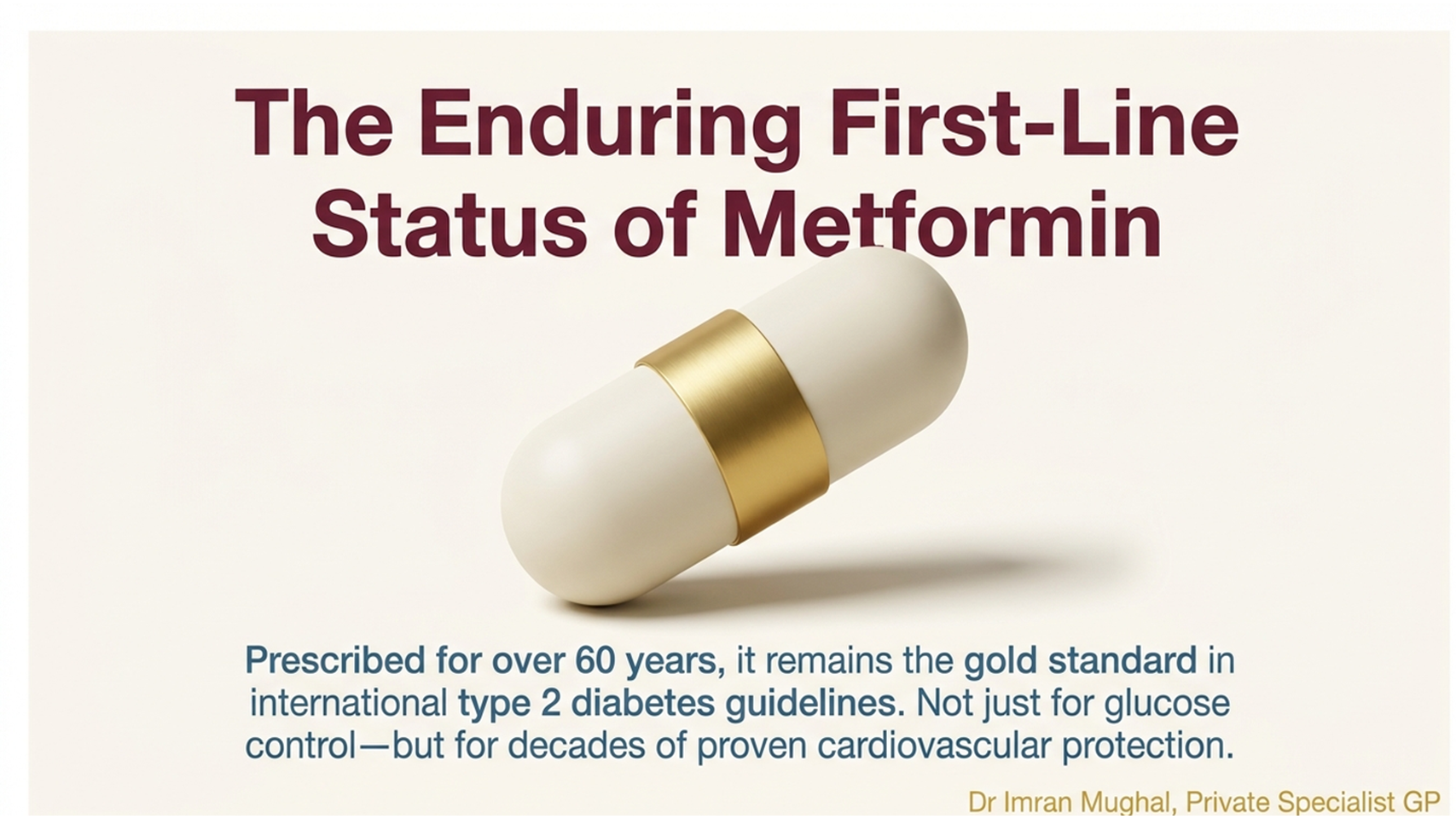
Metformin has been prescribed for over 60 years, and newer diabetes medications have arrived since. Metformin first line status has not changed in UK and international guidelines.
- Here is why: it has direct, repeatedly confirmed evidence of protecting the heart, and that protection lasts for decades.
- This post also answers the practical questions individuals most often ask about metformin: side effects, timing, weight, PCOS, longevity claims, and exercise.
Why Is Metformin First Line for Type 2 Diabetes?
- In simple terms: taking metformin protects your heart.
- The evidence comes from one of the longest running diabetes studies ever carried out, checked three separate times, over almost 30 years.
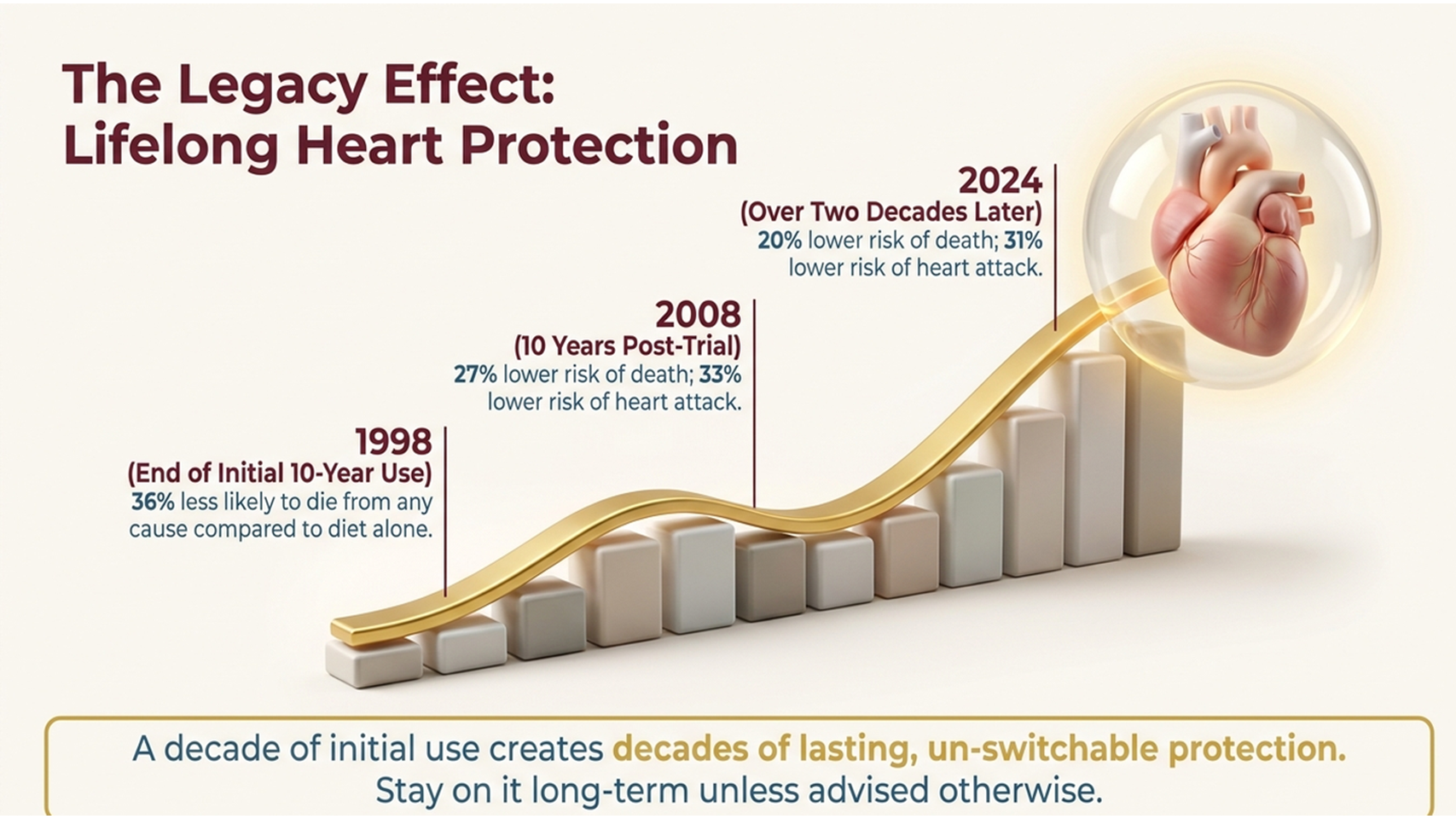
- 1998: individuals with type 2 diabetes who took metformin were 36% less likely to die from any cause during the study than individuals managing their diabetes with diet alone.
- 2008, ten years after the study ended: even though people were no longer following their original treatment plan, those who had taken metformin were still 27% less likely to die, and 33% less likely to have a heart attack, than those who had been on diet alone.
- 2024, over two decades later: the protection was still measurable, a 20% lower risk of death and a 31% lower risk of heart attack.
- In plain terms: the protective effect metformin gives your heart does not switch off when you stop taking it, or when a study ends. It appears to last for life.
- How long do you need to take it for this protection? The individuals in the original study took metformin for around 10 years from diagnosis, and that period of use is what created decades of lasting protection afterwards. There is no good evidence yet on whether a shorter course gives the same benefit, so the safest approach, unless your GP advises otherwise, is to stay on it long term.
What Does Metformin Actually Do?
Understanding why metformin first line treatment protects the heart starts with what it actually does in the body:
- Reduces liver glucose output: lowers how much glucose the liver releases into the bloodstream.
- Improves insulin sensitivity: helps your muscles and tissues respond better to insulin, so glucose is used more effectively.
- Works through the gut: increases GLP-1 release, alters bile acid handling, and shifts the gut microbiome, mechanisms still being actively researched.
- Very low hypoglycaemia risk: does not push the pancreas to produce more insulin, so it carries a very low risk of causing low blood sugar on its own.
What Is the Metformin Sick Day Rule?
- This is the single most important safety point in this post.
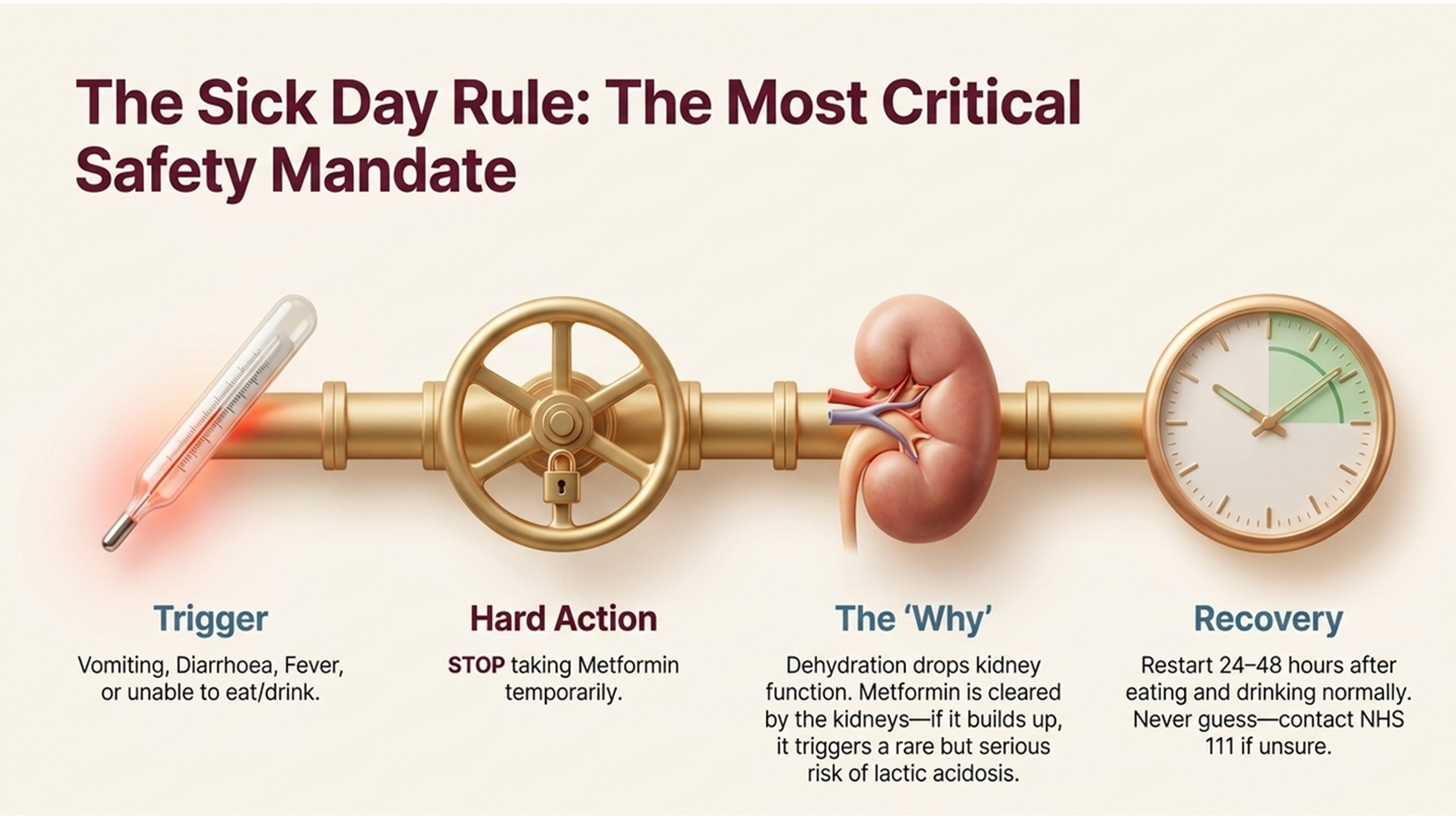
- Stop taking metformin temporarily if you have: vomiting, diarrhoea, fever, or are unable to eat or drink normally.
- Why this matters: metformin is cleared by the kidneys, and illness that causes dehydration can reduce kidney function quickly, allowing metformin to build up in the body. In rare cases this can trigger a serious condition called lactic acidosis, which carries a high mortality rate if not caught early.
- Restart metformin 24 to 48 hours after you are eating and drinking normally again and symptoms have settled.
- If you are ever unsure, do not guess, contact your GP or NHS 111 for advice before restarting.
Side Effects: Why Does Metformin Cause Stomach Upset, and Does It Go Away?
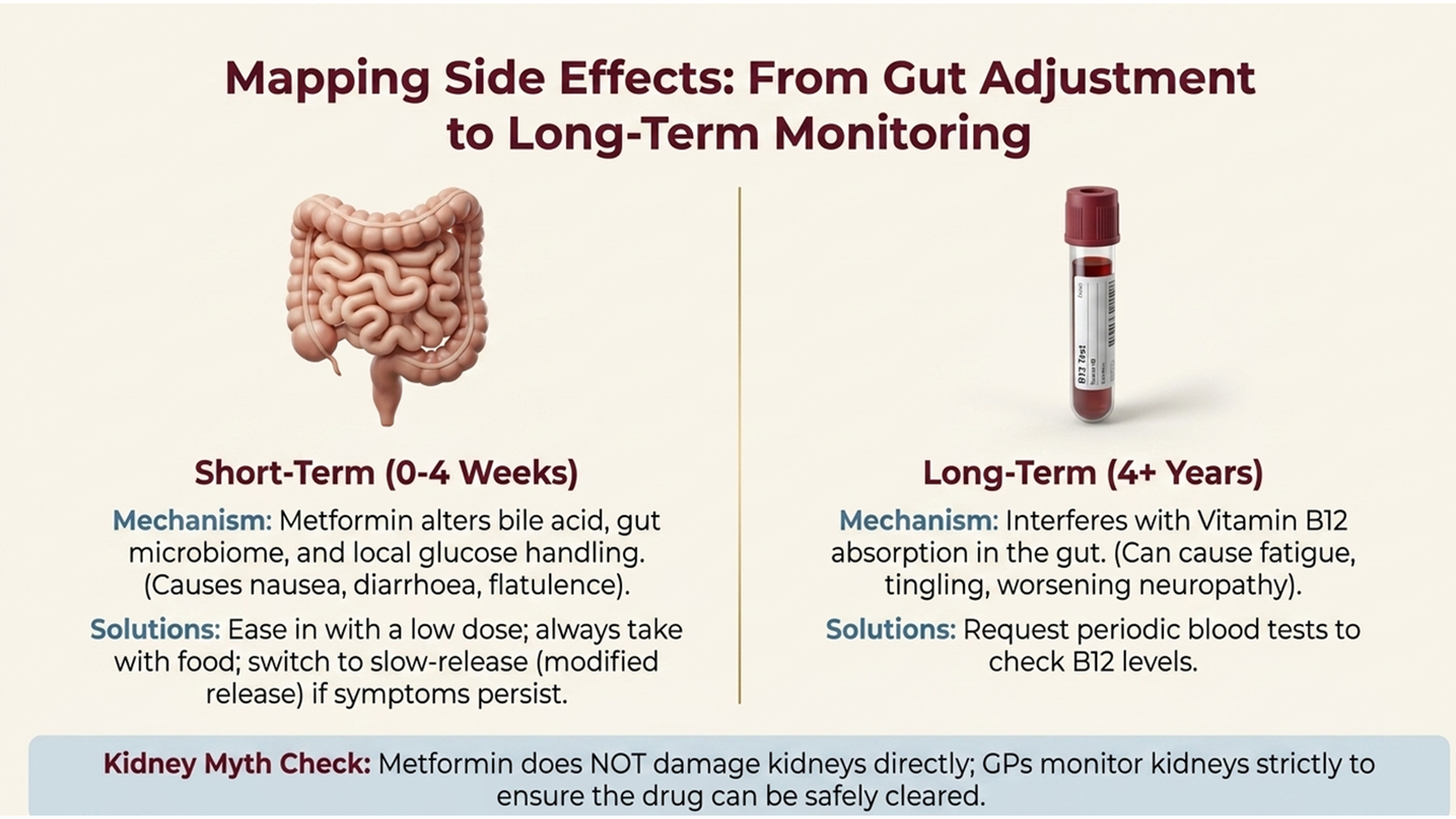
- Gastrointestinal upset is the most common issue, particularly in the first few weeks: nausea, diarrhoea, flatulence, and abdominal discomfort.
- Why it happens: metformin acts partly in the gut itself, it alters bile acid absorption, shifts the gut microbiome, and increases local glucose and lactate handling in the intestinal lining. This gut level action is thought to drive much of the discomfort, not just a general drug side effect.
- Does it go away? For most individuals, yes, symptoms ease within a few weeks as the gut adjusts.
- What helps: starting at a low dose and increasing slowly, taking metformin with or just after food, and switching to the slow release (modified release) version if standard metformin is not tolerated.
- If symptoms persist despite these steps, this is worth discussing with your GP rather than stopping on your own.
Side Effects: Does Metformin Cause Vitamin B12 Deficiency or Damage the Kidneys?
- Vitamin B12 deficiency is a genuine, recognised long term risk, particularly after 4 or more years of use. It happens because metformin interferes with B12 absorption in the gut.
- Left unchecked, this can contribute to fatigue, nerve symptoms such as tingling, and worsening of diabetic neuropathy, so periodic blood tests are worthwhile with long term use.
- Does metformin damage the kidneys? No, metformin itself is not toxic to the kidneys. The real risk runs the other way round: if kidney function drops, metformin can build up and increase the risk of lactic acidosis. This is exactly why the sick day rule above matters.
- Your GP will check kidney function before starting metformin and periodically afterwards as routine monitoring.
Is Metformin Working? What to Expect and When
- How long does it take to work? Blood glucose can start improving within days to a couple of weeks. The full effect on HbA1c is usually assessed around the 3 month mark.
- Signs it is working: more stable blood sugar readings, improved HbA1c at your next blood test, and steadier energy levels through the day.
- What if it does not seem to be working, or blood sugar is still high? This does not mean metformin has failed, type 2 diabetes is progressive, and doses or additional medications are often needed over time. This is a conversation for your GP, not something to self-adjust.
Dosage, Timing and Diet: Practical Questions
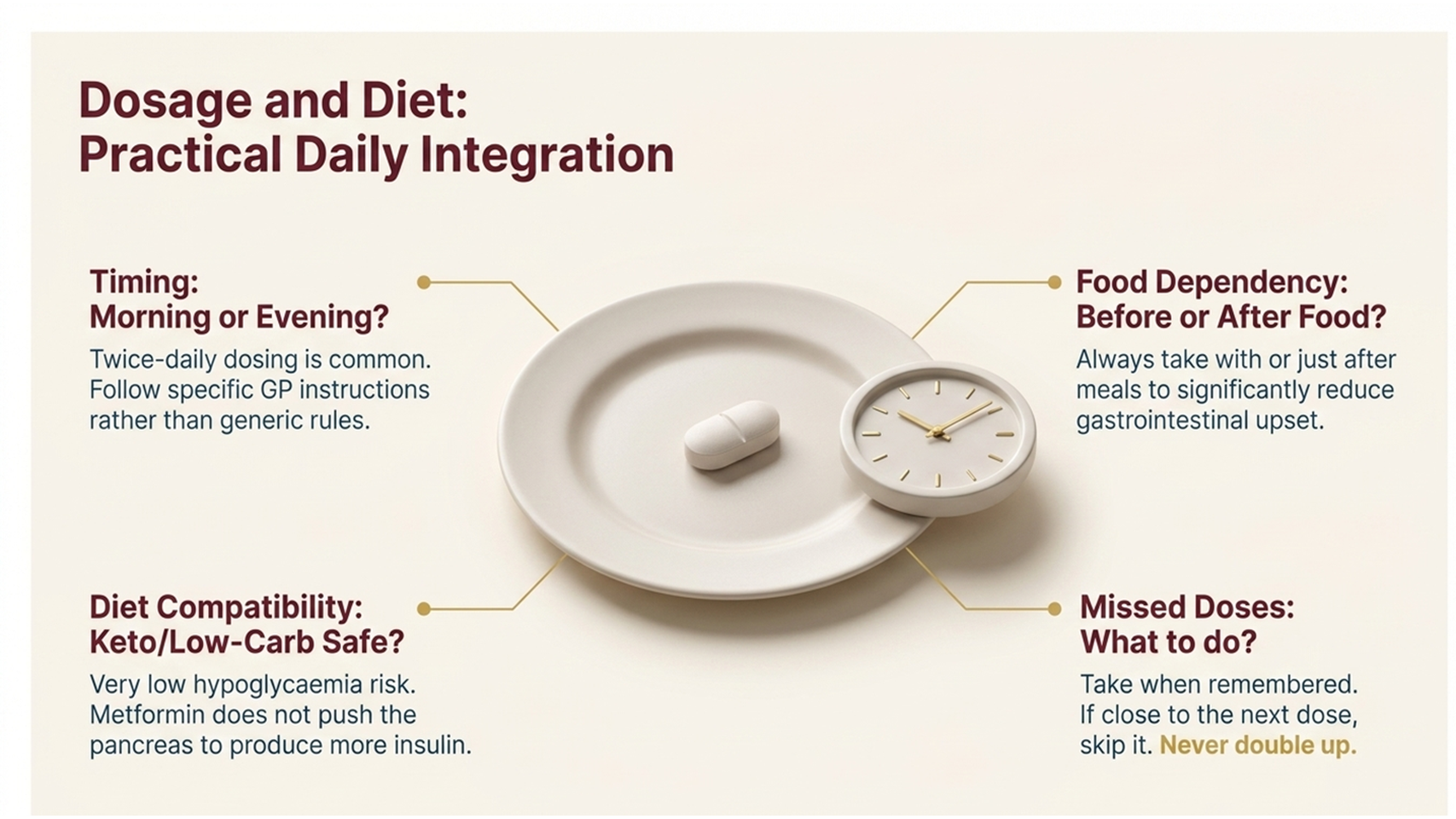
- Before or after food? With or just after meals, this reduces stomach upset significantly compared with taking it on an empty stomach.
- Morning or evening? Both are used depending on your regimen, follow the specific instructions from your GP or pharmacist rather than a generic rule.
- Keto or low carbohydrate diets: metformin does not typically cause low blood sugar on its own, even alongside carbohydrate restriction, because it does not push the pancreas to release more insulin.
- Missed a dose? Take it when you remember, unless it is almost time for your next dose, in which case skip the missed one. Never double up.
Weight Loss and Off-Label Uses
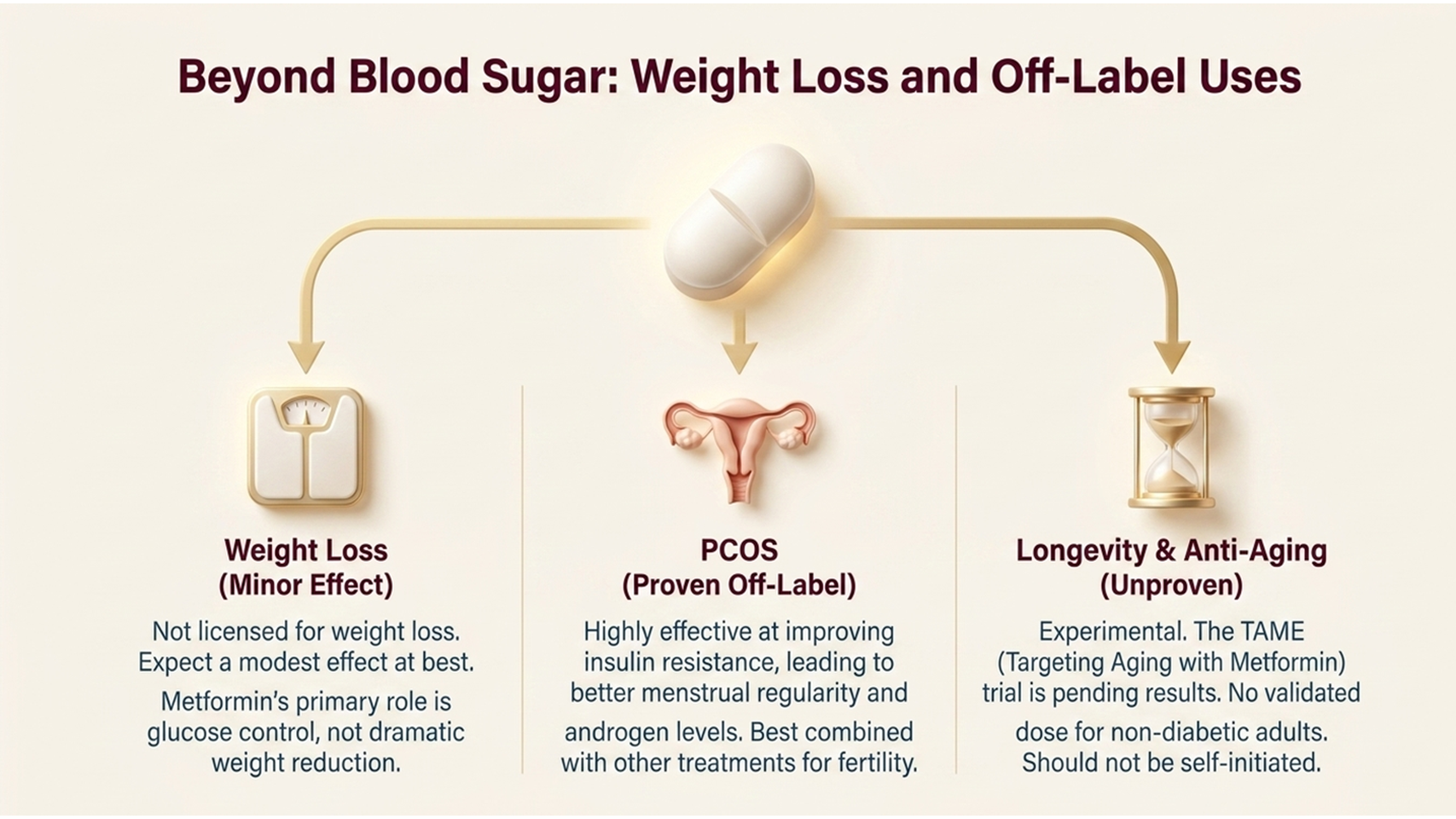
- Is metformin a weight loss drug? No, it is not licensed or designed as one. Most individuals see a modest effect at most.
- Why am I not losing weight on metformin? This is expected for most people, metformin’s role is glucose control, not weight loss.
- Metformin and PCOS: commonly used off label to improve insulin resistance, menstrual regularity and androgen levels. Not first line for ovulation induction, and works best combined with other treatments where fertility is the goal.
- Metformin for anti-aging or longevity: a genuinely unproven use in humans. The TAME trial has not published efficacy results. There is no validated dose for longevity use in healthy, non-diabetic adults, and this is not something to self-initiate.
Drug Interactions and Exercise
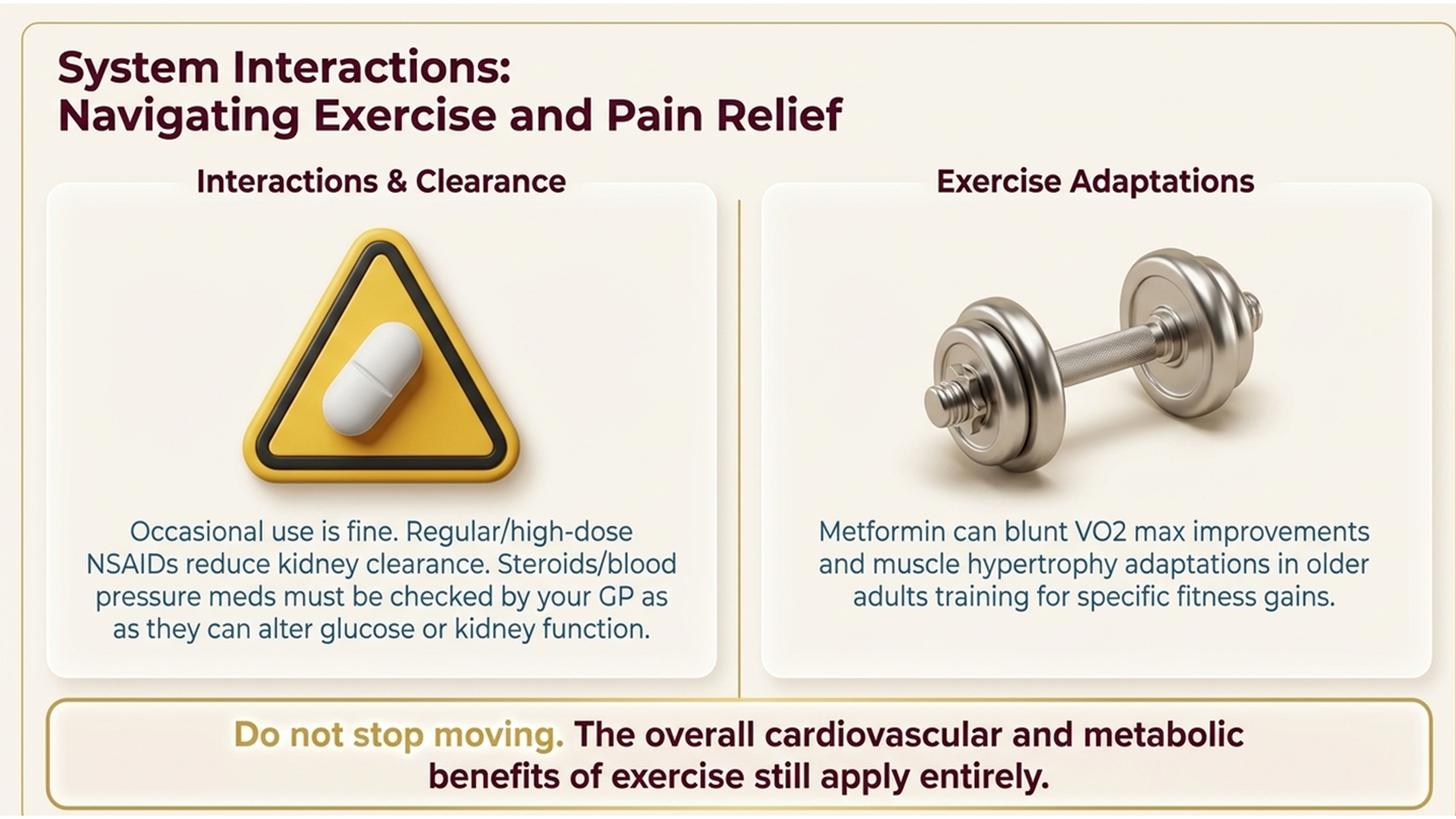
- Ibuprofen and other NSAIDs: occasional use is generally fine, but regular or high dose NSAID use can affect kidney function, which in turn affects how metformin is cleared.
- Steroids and blood pressure medications: worth mentioning any new prescription to whoever manages your diabetes care.
- Does metformin blunt the benefits of exercise? A trial in older adults found metformin reduced the usual improvement in fitness (VO2 max) and blunted muscle level adaptations after aerobic exercise training.
- What this means practically: for most individuals this is not a reason to stop exercising, the cardiovascular and metabolic benefits of exercise still matter enormously. It is more relevant for older adults specifically training for fitness gains.
The Key Points
- First line status: metformin remains first line because it has genuine, repeatedly confirmed long term cardiovascular protection, not just because it is familiar or inexpensive.
- Three decades of evidence: UK Prospective Diabetes Study follow up, from 1998 through 2008 to 2024, has consistently shown lower rates of death and heart attack in people originally treated with metformin.
- Sick day rule: pausing metformin during vomiting, diarrhoea, fever, or when unable to eat or drink is the single most important safety habit to remember.
- Gut related side effects: gastrointestinal side effects are common early on and usually settle, largely because metformin acts directly in the gut, not just the liver.
- Monitoring: vitamin B12 should be checked periodically with long term use, and kidney function is monitored routinely rather than being damaged by metformin itself.
- Not a weight loss drug: it has legitimate off label use in PCOS, while anti-aging use remains unproven and should not be self-initiated.
- Exercise interaction: metformin can blunt some exercise adaptations in older adults training for fitness, but this is not a reason for most individuals to avoid exercise.
What This Means For You
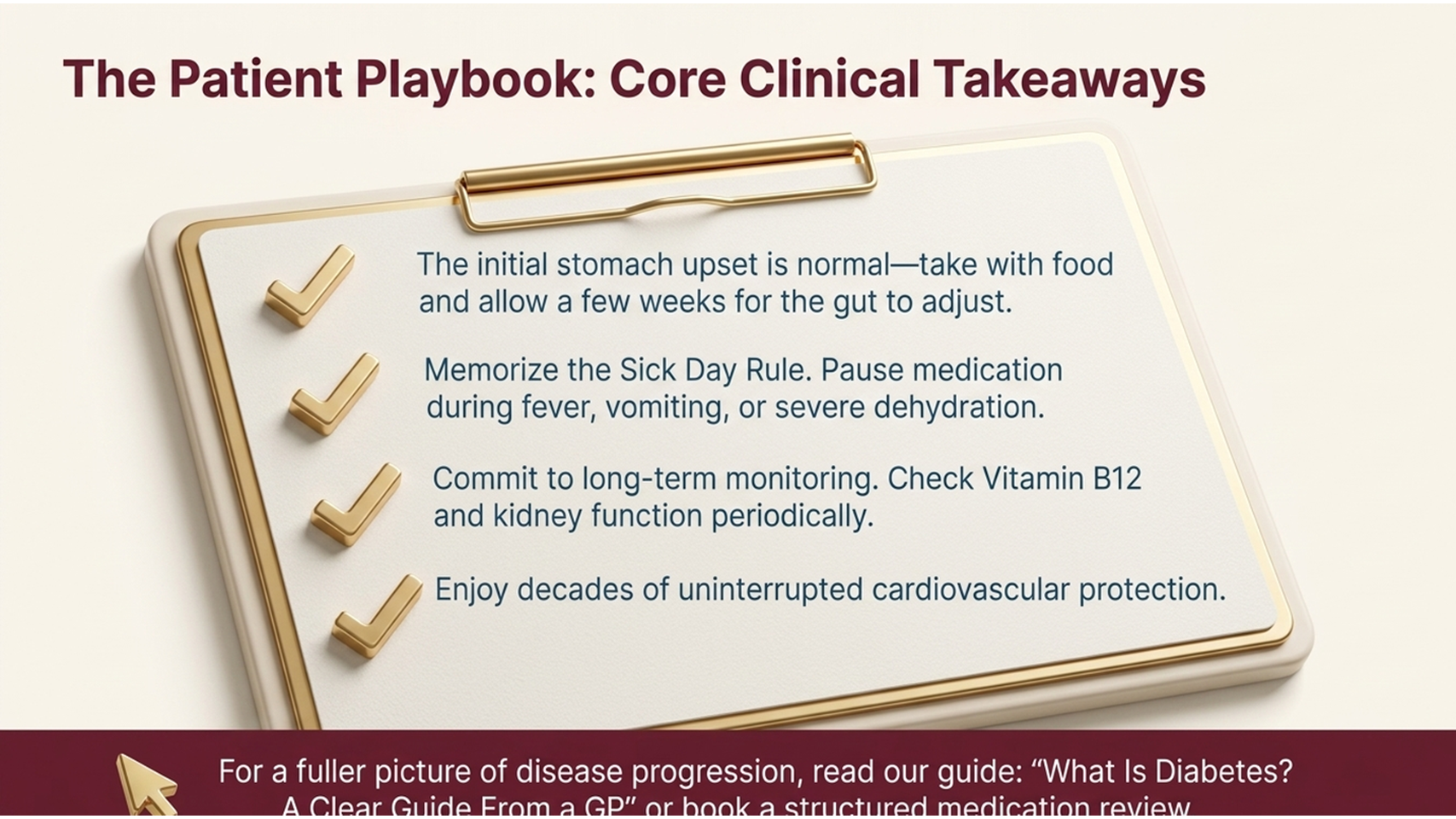
- Starting out: if you are newly started on metformin, expect some initial stomach upset, this usually improves within a few weeks, and taking it with food helps.
- Remember the sick day rule: write it down somewhere you will remember it.
- Long term use: if you have been on metformin for several years, ask about a vitamin B12 check at your next review.
- Specific concerns: if weight loss, PCOS, or exercise performance are specific concerns for you, these are worth raising directly.
- Further reading: if you want a fuller picture of how type 2 diabetes develops and progresses, our guide on What Is Diabetes? A Clear Guide From a GP is a good place to start.
- Next step: a structured conversation with a specialist can help you understand exactly where metformin fits into your own treatment plan.
Author: Dr Imran Mughal, Private Specialist GP
Website: www.imclinic.co.uk
Book a consultation: https://notes.thanksdoc.co.uk/book/clinic/im-clinic
References
UK Prospective Diabetes Study (UKPDS) Group. Effect of intensive blood glucose control with metformin on complications in overweight patients with type 2 diabetes (UKPDS 34). Lancet. 1998. https://doi.org/10.1016/S0140-6736(98)07037-8
Holman RR, Paul SK, Bethel MA, et al. 10 year follow up of intensive glucose control in type 2 diabetes (UKPDS 80). New England Journal of Medicine. 2008. https://doi.org/10.1056/NEJMoa0806470
Adler AI, Coleman RL, Leal J, et al. Post-trial monitoring of a randomised controlled trial of intensive glycaemic control in type 2 diabetes extended from 10 years to 24 years (UKPDS 91). Lancet. 2024. https://doi.org/10.1016/S0140-6736(23)02478-3
Schernthaner G, Schernthaner-Reiter MH. Metformin and the heart: update on mechanisms of cardiovascular protection with special reference to comorbid type 2 diabetes and heart failure. Metabolism. 2022. https://doi.org/10.1016/j.metabol.2022.155159
Watson KE, Dhaliwal K, Robertshaw S, et al. Consensus Recommendations for Sick Day Medication Guidance for People With Diabetes, Kidney, or Cardiovascular Disease. American Journal of Kidney Diseases. 2022. https://doi.org/10.1053/j.ajkd.2022.08.007
Connelly PJ, Lonergan M, Soto-Pedre E, et al. Acute kidney injury, plasma lactate concentrations and lactic acidosis in metformin users: A GoDarts study. Diabetes, Obesity and Metabolism. 2017. https://doi.org/10.1111/dom.13102
Koslover J, Wright J, Aronson JK. Metformin, BRAINS & AIMS pharmacological/prescribing principles of commonly prescribed drugs. British Journal of Clinical Pharmacology. 2022. https://doi.org/10.1111/bcp.15340
Bonnet F, Scheen A. Understanding and overcoming metformin gastrointestinal intolerance. Diabetes, Obesity and Metabolism. 2017. https://doi.org/10.1111/dom.12902
McCreight LJ, Bailey CJ, Pearson ER. Metformin and the gastrointestinal tract. Diabetologia. 2016. https://doi.org/10.1007/s00125-016-3967-4
Saadati S, et al. Metformin use in women with polycystic ovary syndrome (PCOS): Opportunities, benefits, and clinical challenges. Diabetes, Obesity and Metabolism. 2025. https://doi.org/10.1111/dom.16267
Konopka AR, Laurin JL, Schoenberg HM, et al. Metformin inhibits mitochondrial adaptations to aerobic exercise training in older adults. Aging Cell. 2018. https://doi.org/10.1111/acel.12880
Walton RG, Dungan CM, Long DE, et al. Metformin blunts muscle hypertrophy in response to progressive resistance exercise training in older adults (the MASTERS trial). Aging Cell. 2019. https://doi.org/10.1111/acel.13039





We would love to hear your thoughts. A few things to keep in mind before you post: