


Many individuals live for years being told their pain is “just bad periods”. Endometriosis affects an estimated 5 to 10 in every 100 women of reproductive age. It is not only a pelvic problem. It is increasingly understood as a whole body, chronic inflammatory condition, affecting the gut, the immune system, and pain pathways well beyond the uterus. This post covers what endometriosis is, its symptoms, how it is diagnosed, the full range of treatment options, and its effect on fertility.
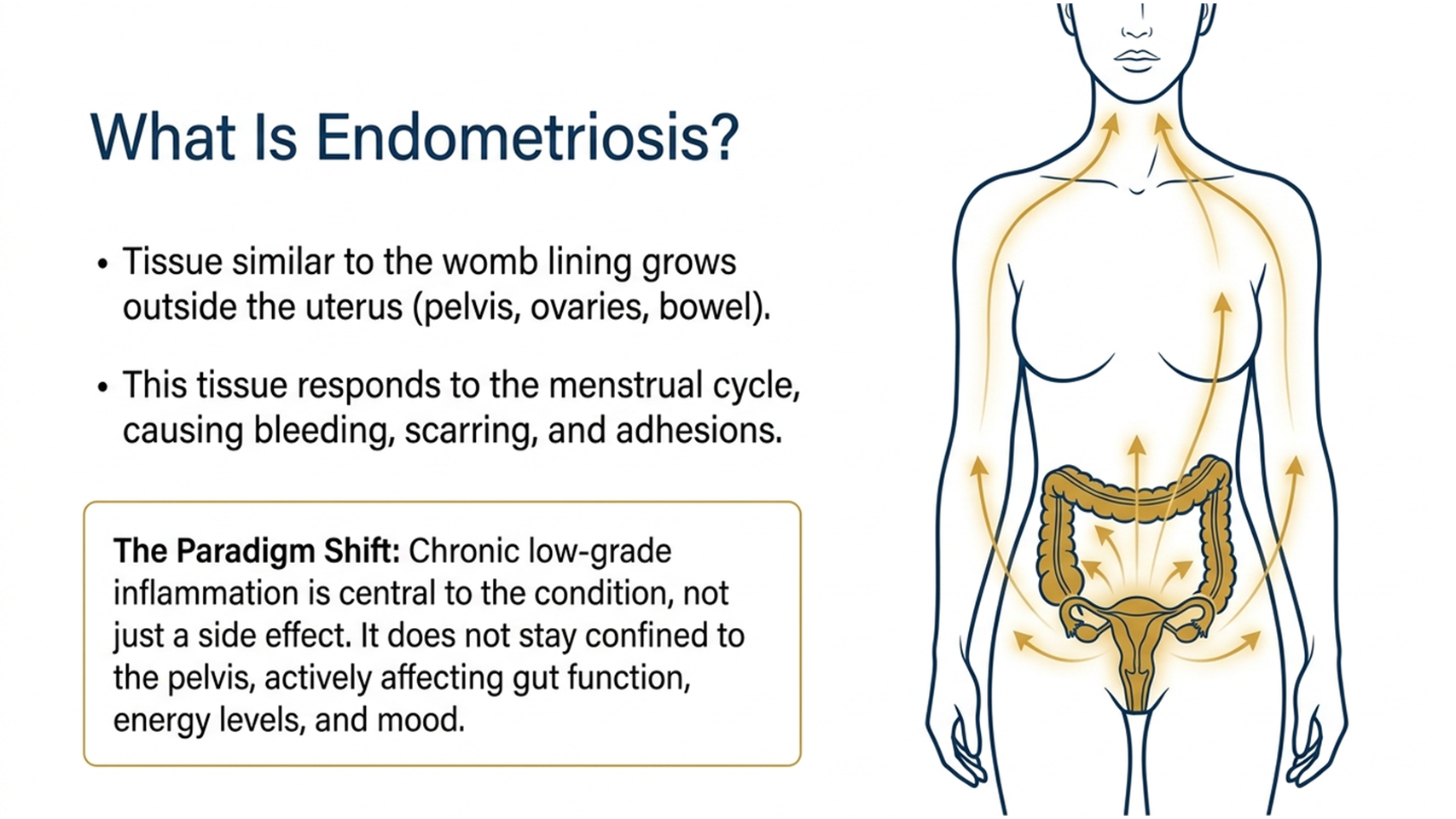
What Is Endometriosis?
- Endometriosis is a condition where tissue similar to the lining of the womb grows outside the uterus, most often in the pelvis, ovaries, and bowel.
- This tissue responds to the menstrual cycle in the same way the womb lining does, causing inflammation, pain, and, over time, scarring and adhesions.
- Chronic low grade inflammation is now recognised as central to the condition, not just a side effect of it.
- This inflammation does not stay confined to the pelvis. It can affect gut function, energy levels, and mood.
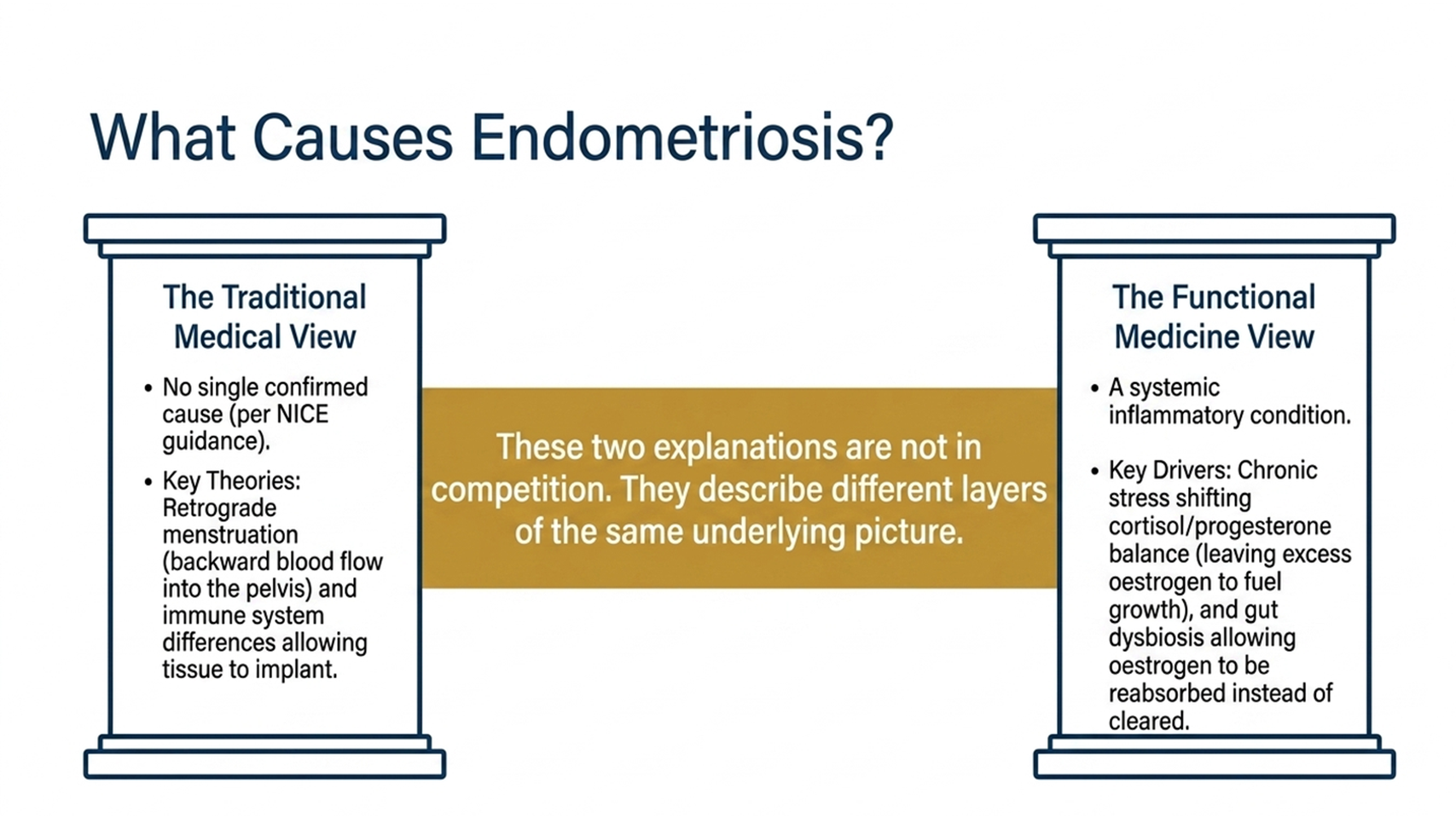
What Causes Endometriosis?
The Traditional Medical View
- The exact cause is still not fully understood.
- NICE guidance describes endometriosis as a complex condition without one single confirmed cause.
- Leading theories include retrograde menstruation, where menstrual blood flows backward into the pelvis, and immune system differences that allow this tissue to implant and grow.
The Functional Medicine View
- As a functional medicine practitioner, I see endometriosis primarily as a systemic inflammatory condition, not a localised gynaecological one.
- Chronic stress can shift the body toward producing more cortisol at the expense of progesterone. Over time this can leave relatively more oestrogen in circulation, which may fuel lesion growth.
- Gut health plays a significant role. When gut bacteria are out of balance, oestrogen that should be cleared from the body can be reabsorbed instead, adding to the inflammatory load.
- These 2 explanations are not in competition. They describe different layers of the same underlying picture.
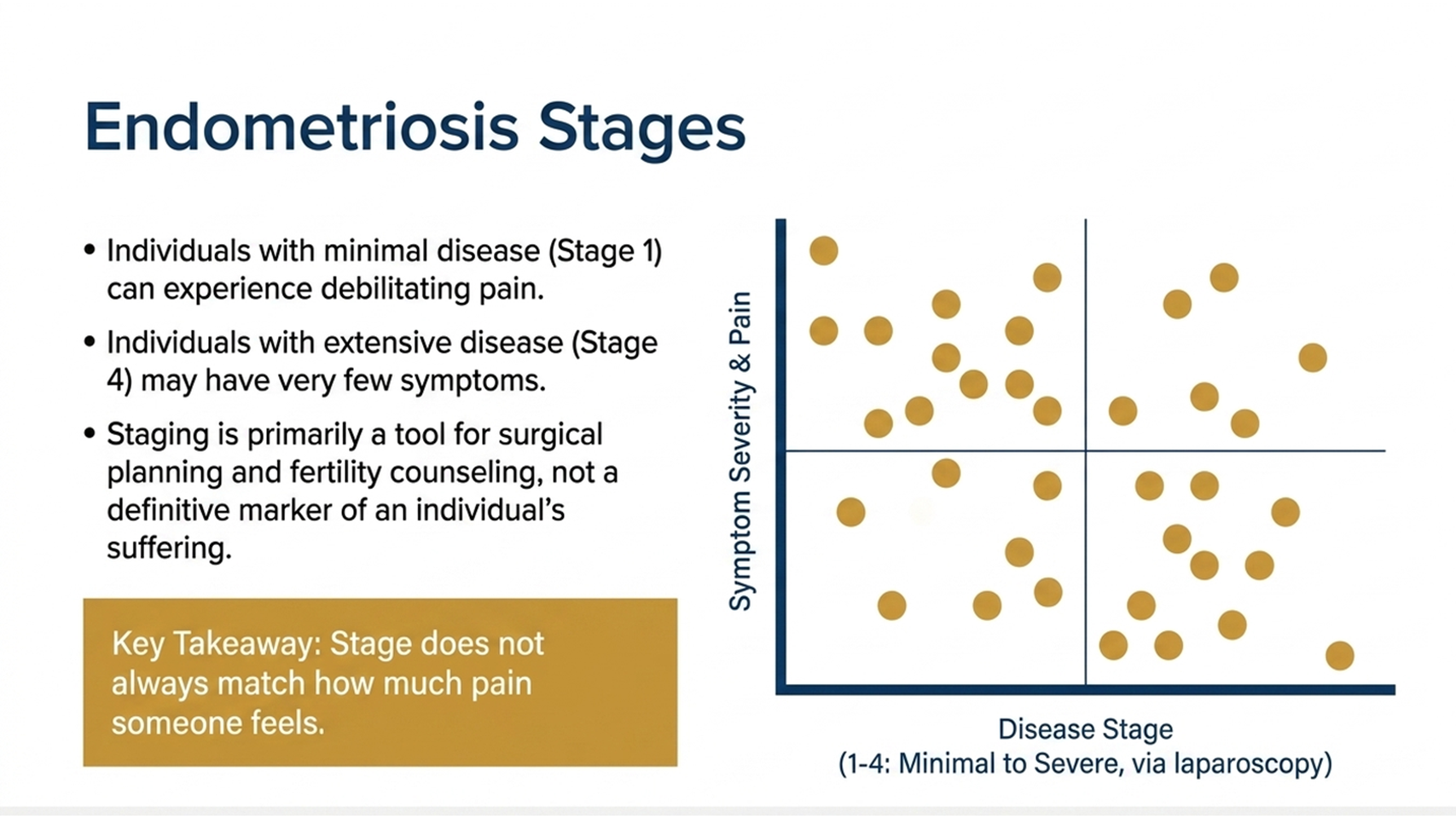
Endometriosis Stages
- Endometriosis is generally staged from 1 to 4, minimal, mild, moderate, and severe, based on what is seen at laparoscopy.
- Stage does not always match how much pain someone feels. Individuals with minimal disease can have severe pain, and some with extensive disease have very few symptoms.
- Staging is most useful for surgical planning and fertility counselling, rather than as a general marker of severity.
Endometriosis Symptoms and Signs
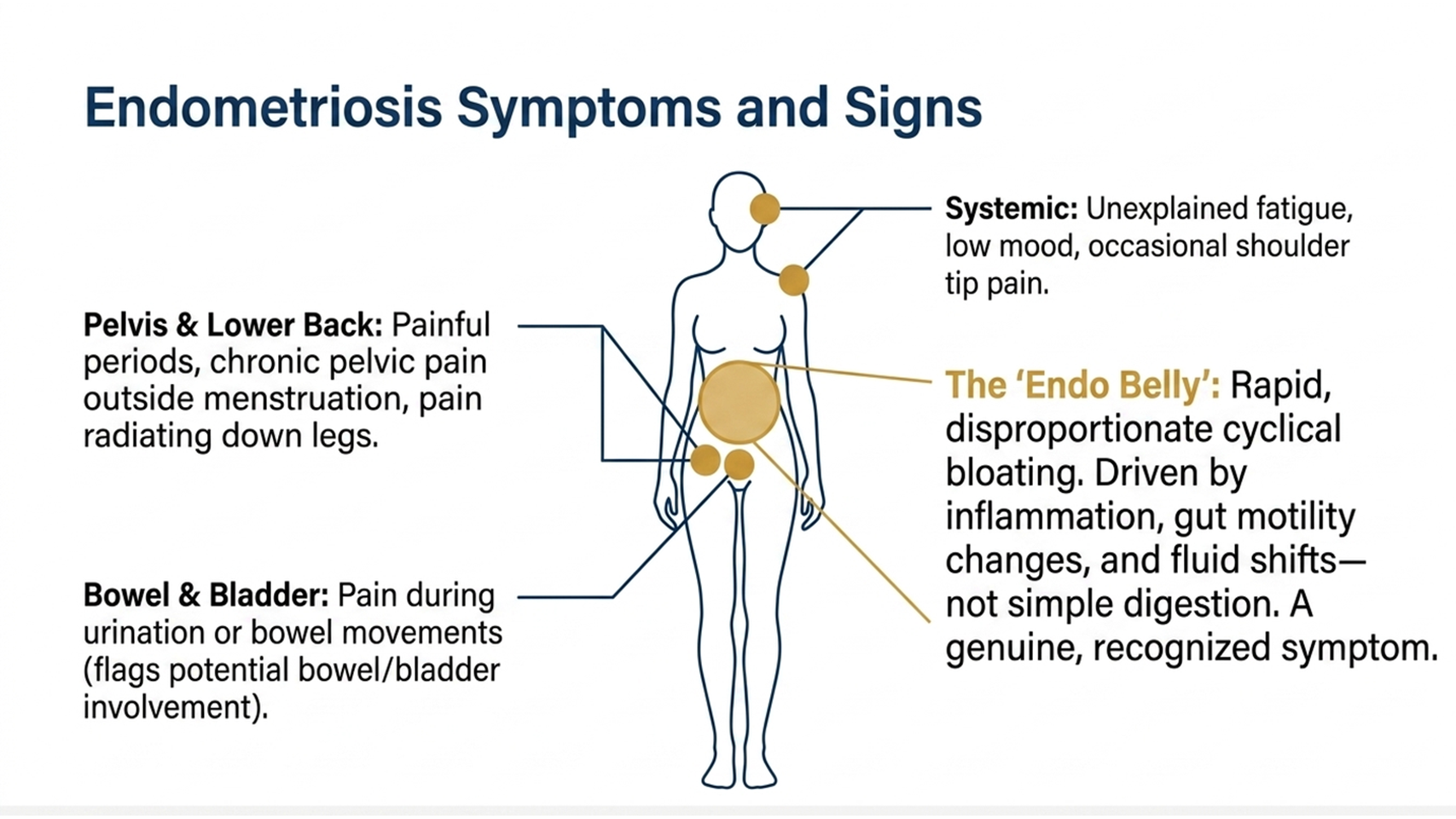
- Painful periods that go beyond normal discomfort
- Pain during sex, urination, or bowel movements
- Chronic pelvic pain outside of menstruation
- Fatigue and low mood that do not have an obvious explanation
- Occasionally shoulder tip pain or cyclical bloating
Endometriosis Pain Locations
- Pelvic and lower abdominal pain is most common, usually worse around the period.
- Pain can also be felt in the lower back, rectum, or down the legs, depending on where the tissue has implanted.
- Pain during bowel movements or urination suggests possible involvement of the bowel or bladder, and is worth flagging specifically to your doctor.
Endo Belly
- Many individuals notice significant bloating that comes on quickly and looks out of proportion to what they have eaten, often called endo belly.
- This is thought to relate to inflammation, gut motility changes, and fluid shifts linked to the condition, rather than simple digestion.
- It is a genuine, recognised symptom, not something to dismiss as normal bloating.
Endometriosis vs PCOS
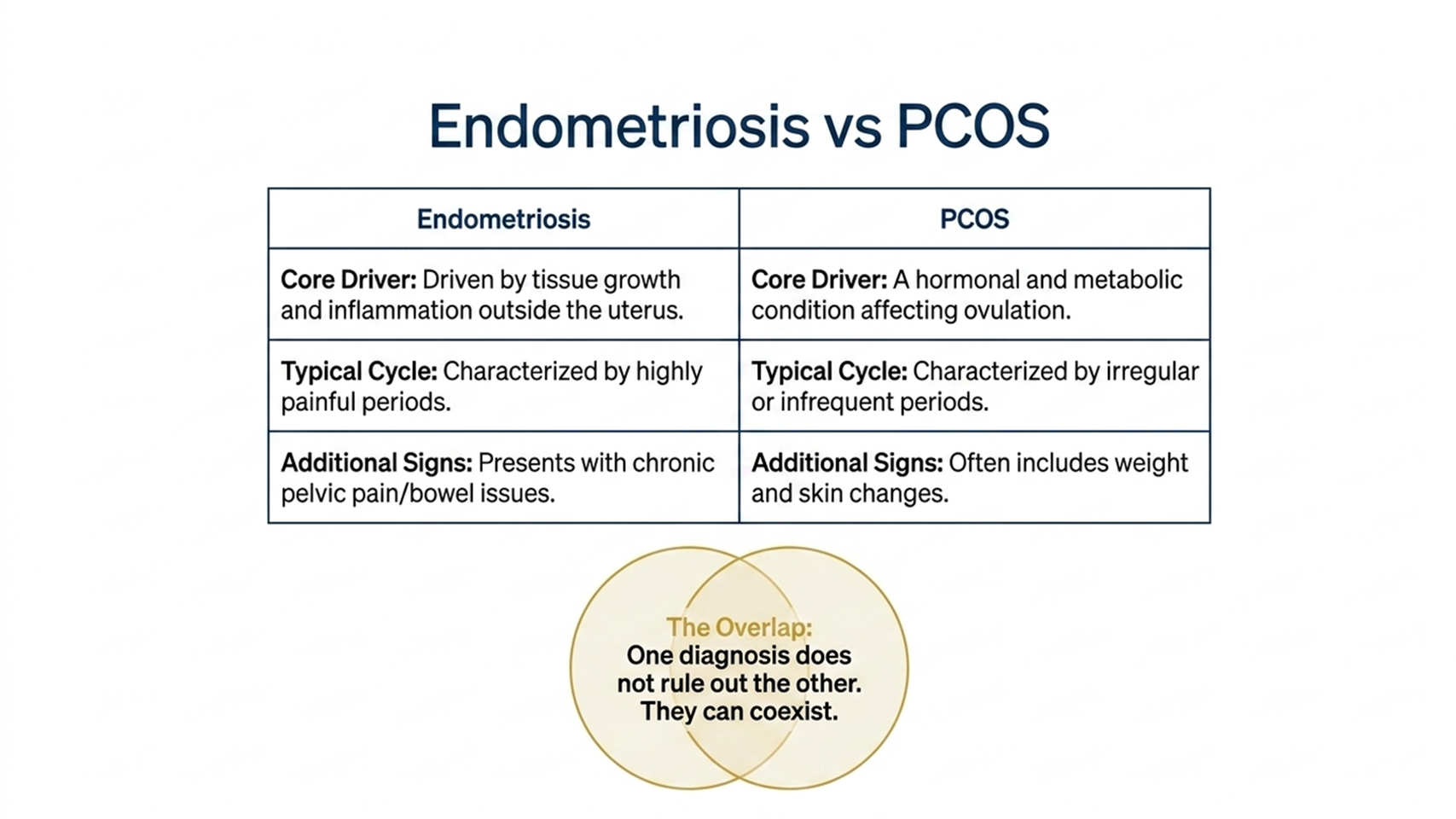
- Both are common and can cause pelvic symptoms and fertility difficulties, but they are different conditions.
- Endometriosis is driven by tissue growth and inflammation outside the uterus. PCOS is a hormonal and metabolic condition affecting ovulation, often with irregular cycles, and can include weight and skin changes.
- Painful periods are more typical of endometriosis. Irregular or infrequent periods are more typical of PCOS.
- The 2 conditions can coexist, so one diagnosis does not rule out the other.
How Is Endometriosis Diagnosed?
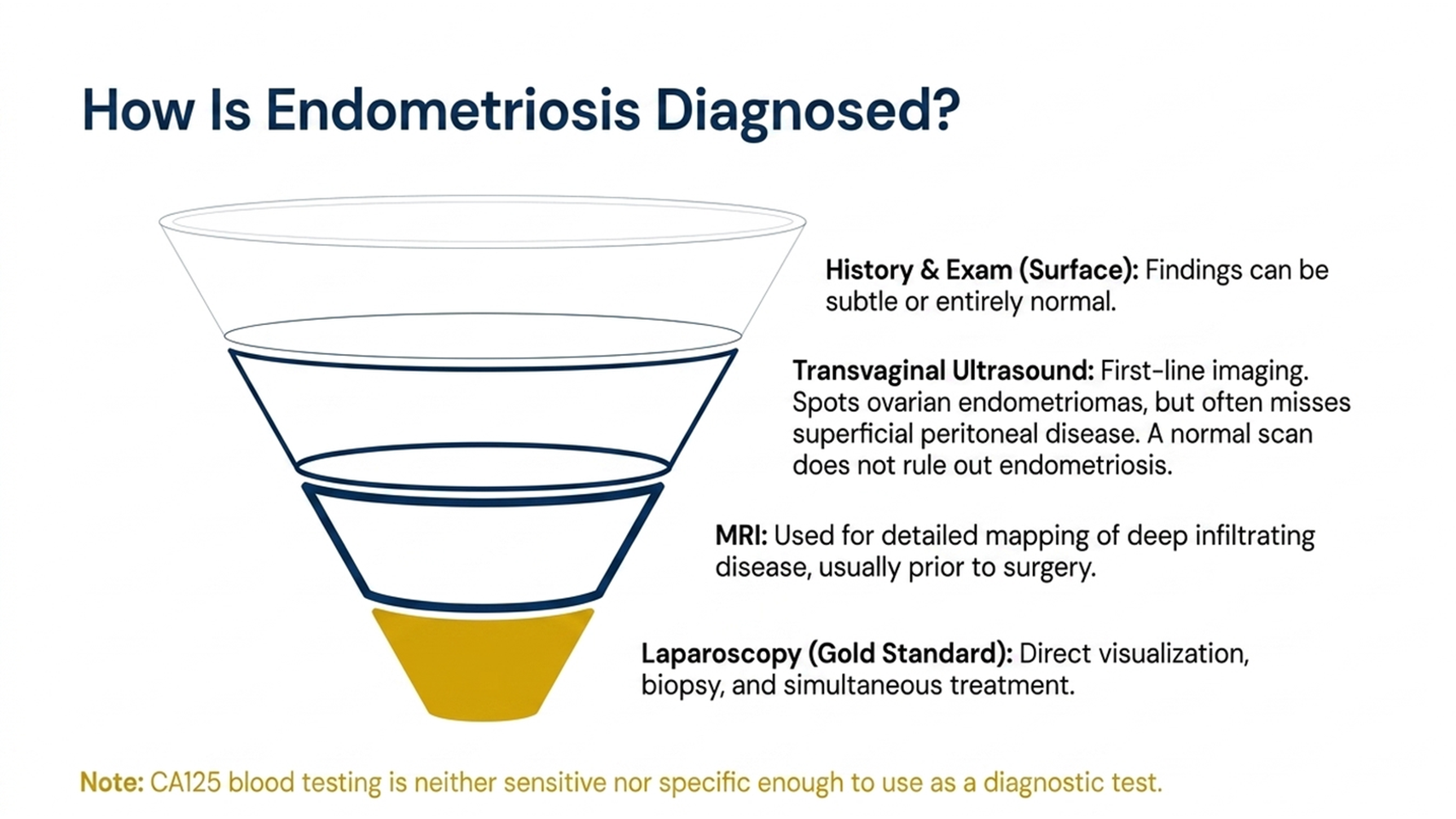
Diagnosis usually starts with your history and a pelvic examination. Findings can be subtle, or entirely normal, on examination alone.
Does Endometriosis Show On Ultrasound?
- Transvaginal ultrasound is the first line imaging test, and can identify ovarian endometriomas and some deep disease.
- Superficial peritoneal disease is often missed on ultrasound, which is why a normal scan does not rule out endometriosis.
Endometriosis MRI
MRI is used when more detailed mapping of deep infiltrating disease is needed, usually before surgery is planned.
Laparoscopy For Endometriosis
- Laparoscopy remains the gold standard for a definitive diagnosis, allowing direct visualisation, biopsy, and treatment of lesions at the same time in many cases.
- CA125 blood testing is not recommended as a diagnostic test for endometriosis. It is neither sensitive nor specific enough to use on its own.
Endometriosis Treatment
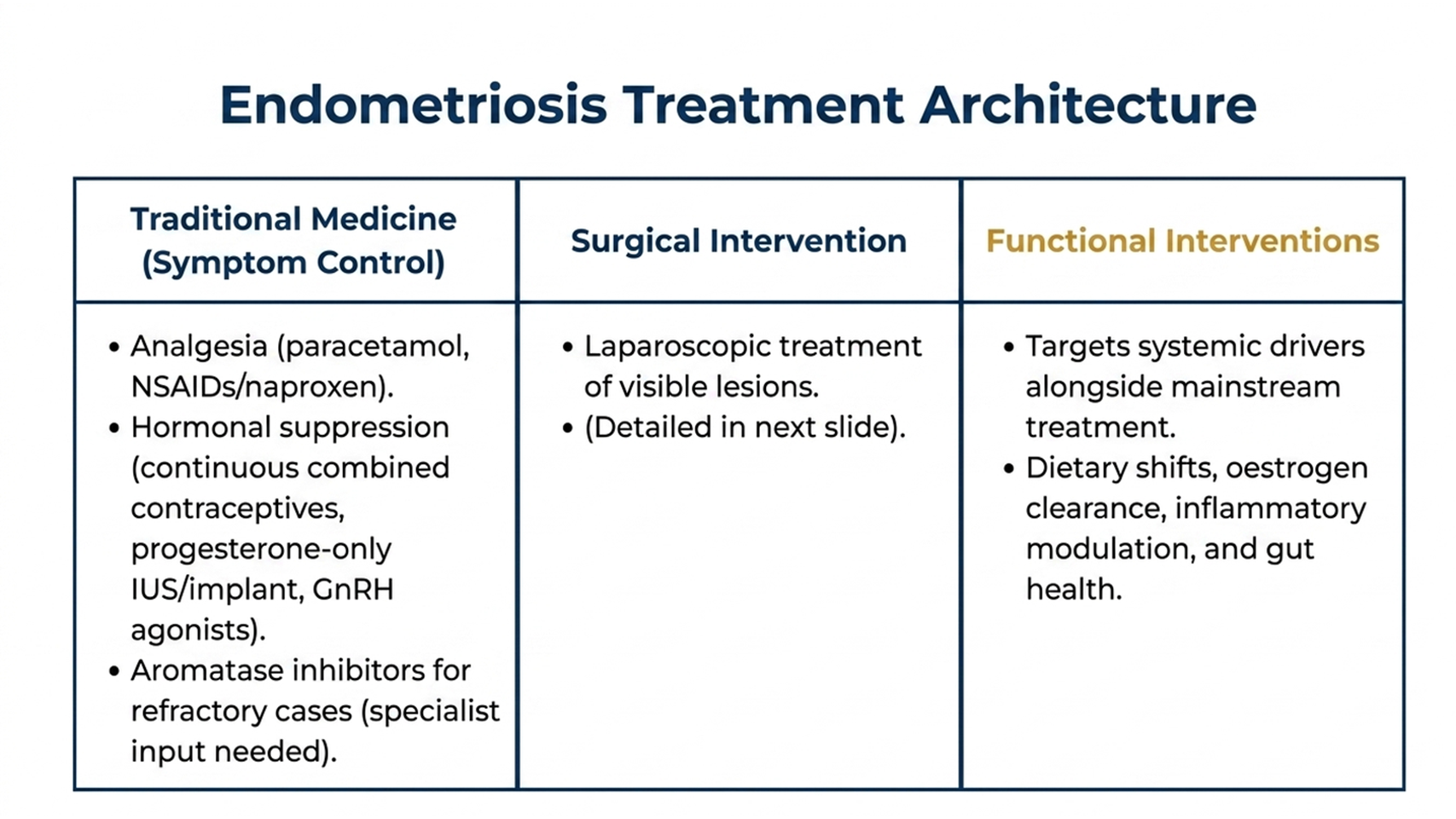
Traditional Medicine Approach
Focuses on symptom control and, where needed, surgical treatment.
- Analgesia. A three month trial of simple pain relief, including paracetamol and NSAIDs such as naproxen, is typically the first step.
- Hormonal suppression and the best birth control for endometriosis. Combined hormonal contraceptives, most effective when used continuously rather than with a break, are usually tried first. Progesterone only methods such as the IUS or an implant are also effective and suit individuals who cannot take oestrogen. GnRH agonists or antagonists are used for more persistent symptoms.
- Aromatase inhibitors. Reserved for refractory cases where standard hormonal treatment has not worked. Evidence for benefit is still limited, so these are used with caution and specialist input.
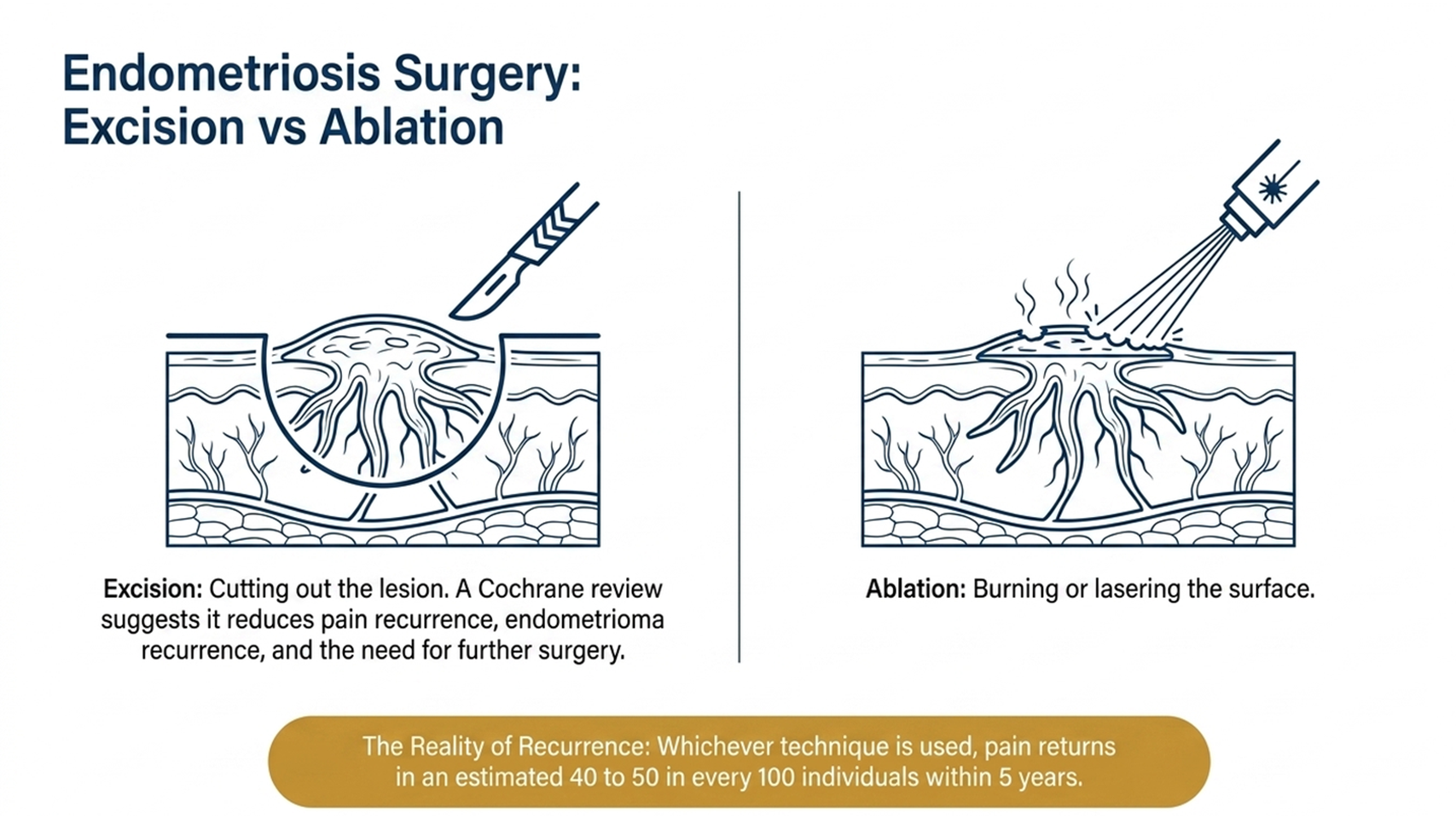
Endometriosis Surgery, Excision vs Ablation
- Both excision, cutting out the lesion, and ablation, burning or lasering the surface, are used to treat visible endometriosis at laparoscopy.
- A Cochrane review found excisional surgery may reduce the risk of pain recurrence, endometrioma recurrence, and the need for further surgery compared with ablation, with little difference in later pregnancy rates.
- Overall, pain returns in an estimated 40 to 50 in every 100 individuals within 5 years of surgery, whichever technique is used.
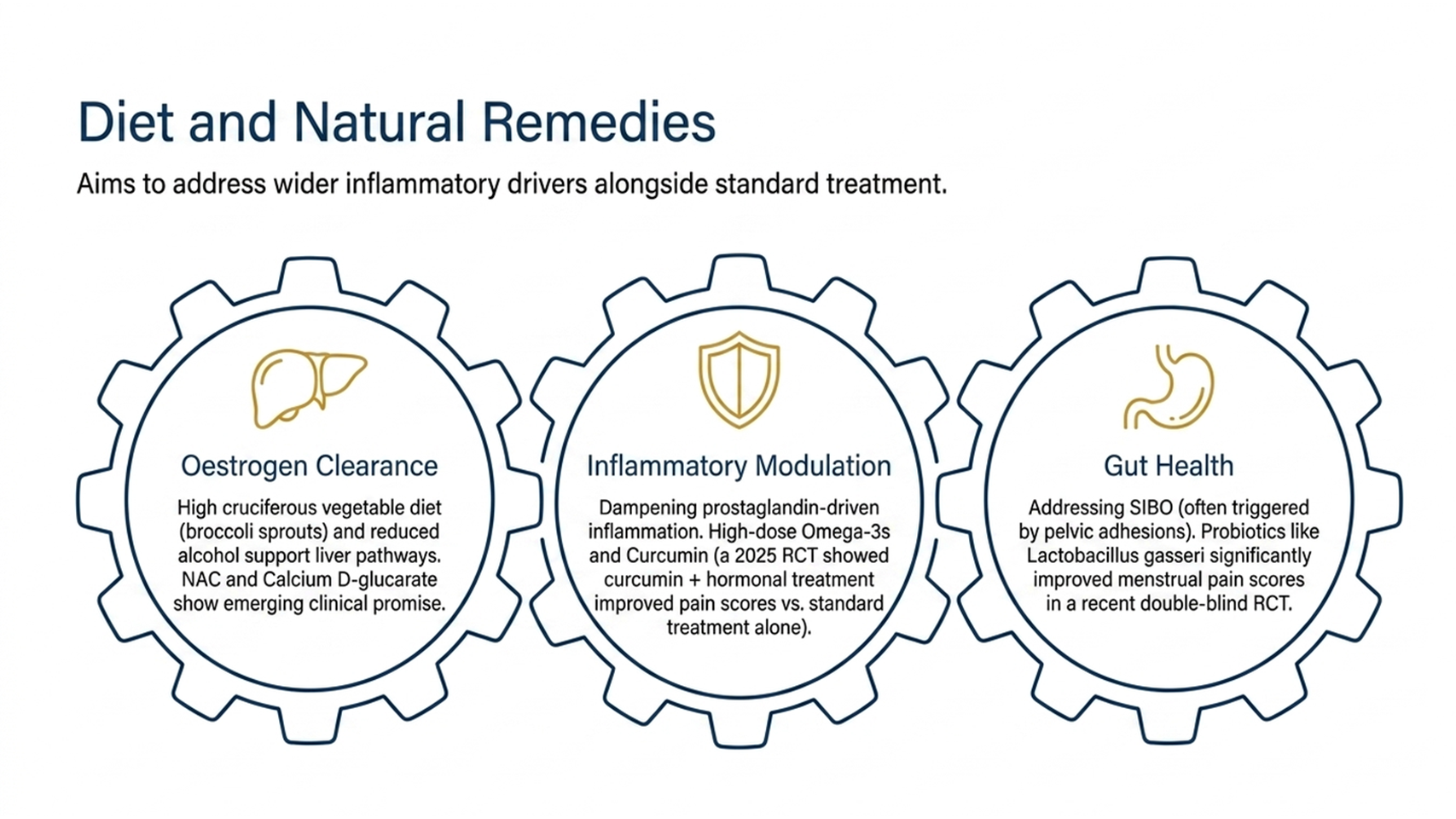
Endometriosis Diet and Natural Remedies
Aims to address the wider inflammatory and hormonal drivers alongside standard treatment, not instead of it.
- Oestrogen clearance support. A diet high in cruciferous vegetables, such as broccoli sprouts, alongside reducing alcohol, supports the liver pathways that clear oestrogen from the body. Some clinicians also use NAC and Calcium D glucarate for this purpose, though this evidence base is still developing.
- Inflammatory modulation. High dose Omega 3 fatty acids and curcumin are used to help dampen the prostaglandin driven inflammatory cascade. A 2025 randomised controlled trial found curcumin added to standard hormonal treatment improved pain scores compared with standard treatment alone. Most other curcumin evidence so far comes from laboratory studies rather than large clinical trials, so this is best seen as a promising adjunct rather than a replacement for standard care.
- Gut health. Addressing SIBO, often triggered by pelvic adhesions, and specific probiotics such as Lactobacillus gasseri, which significantly improved menstrual pain scores in a randomised, double blind, placebo controlled trial of 62 individuals with endometriosis.
Why See The Same Doctor Every Time?
- Private specialist care, from one doctor, not a different face every visit
- Continuity that means less repeating your story, and a clearer long term plan
- Direct access when your symptoms change, without starting from scratch
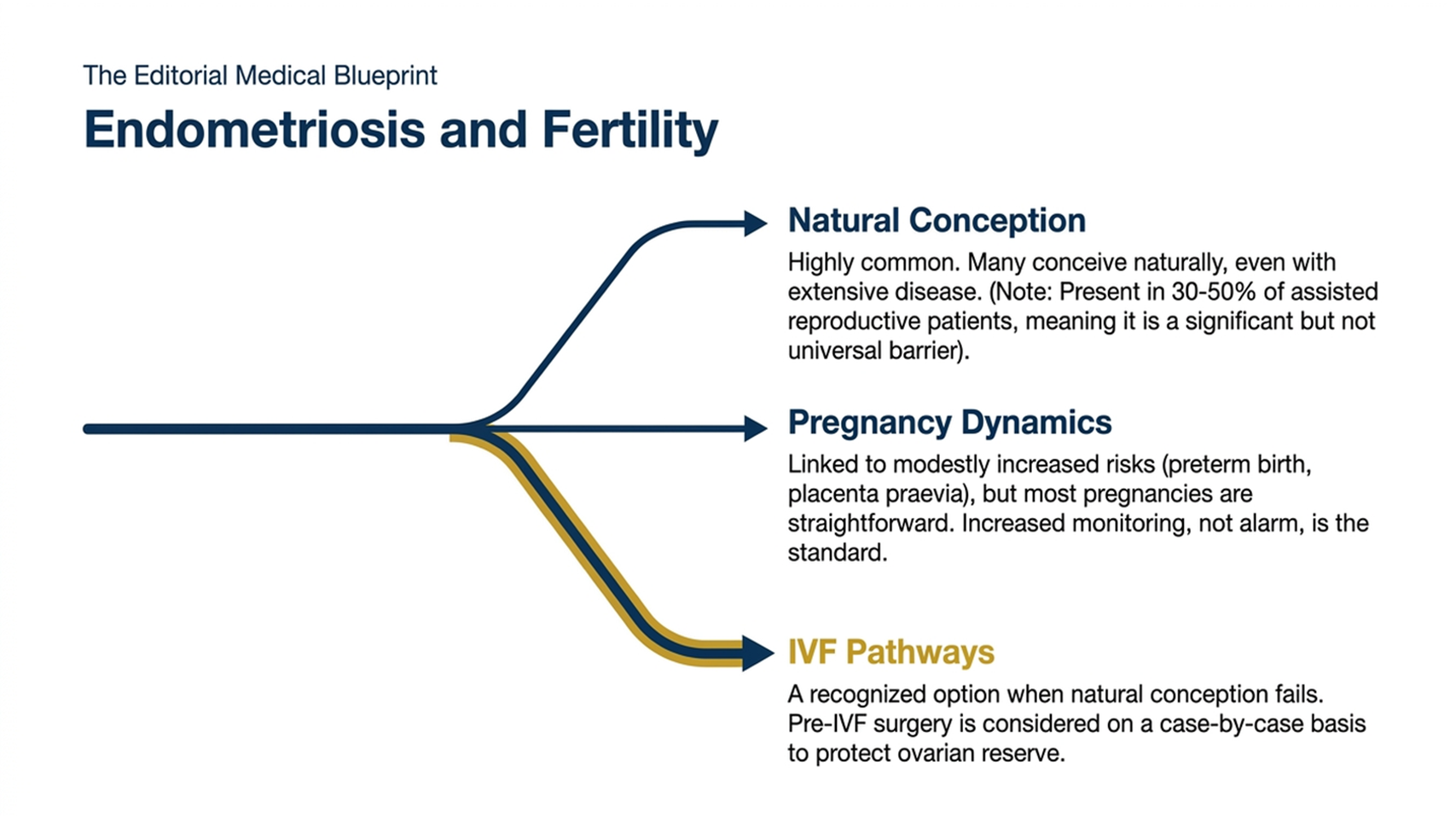
Endometriosis and Fertility
Can You Get Pregnant With Endometriosis?
- Many individuals with endometriosis conceive naturally, including some with more extensive disease.
- Endometriosis is present in an estimated 30 to 50 in every 100 individuals seeking assisted reproductive treatment, so it is a significant but not universal cause of difficulty conceiving.
Endometriosis and Pregnancy
- Endometriosis is linked to a modestly increased risk of certain pregnancy complications, including preterm birth and placenta praevia, in cohort data.
- Most individuals with endometriosis who become pregnant have straightforward pregnancies, and increased monitoring rather than alarm is usually the appropriate response.
IVF and Endometriosis
- IVF is a recognised option when natural conception has not been successful, particularly for moderate to severe disease.
- Surgery before IVF is not automatically recommended for everyone. It is considered individually, weighing potential benefit against any impact on ovarian reserve.
Complications and Long Term Risks
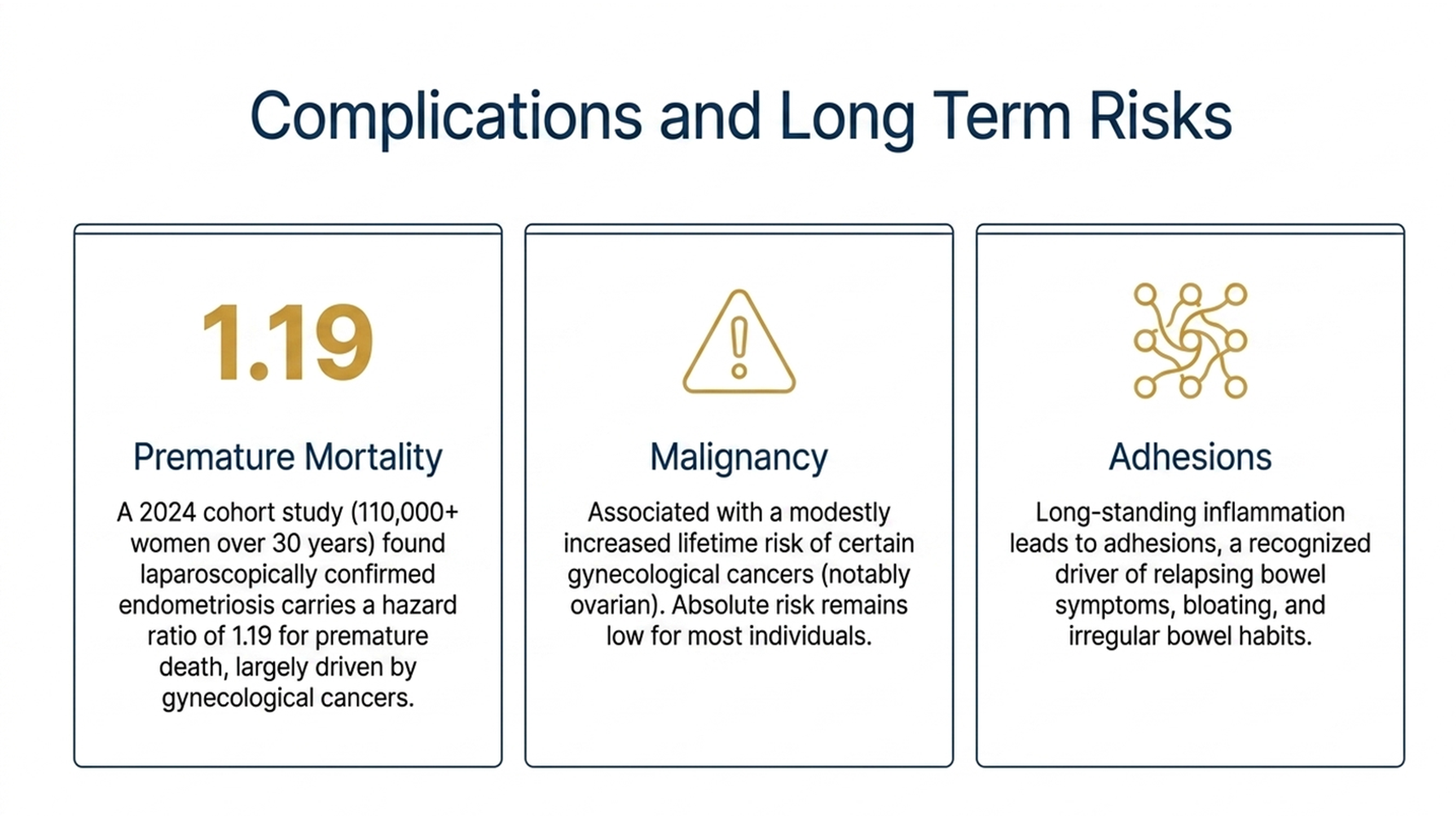
- Premature mortality. A large 2024 cohort study following over 110,000 women for nearly 30 years found that laparoscopically confirmed endometriosis carries a hazard ratio of 1.19 for premature death, largely driven by a higher risk of gynaecological cancers.
- Malignancy. Endometriosis is associated with a modestly increased lifetime risk of certain gynaecological cancers, most notably ovarian cancer, though absolute risk remains low for most individuals.
- Adhesions. Long standing inflammation can lead to adhesions, a recognised cause of relapsing bowel symptoms such as bloating and irregular bowel habits.
The Key Points
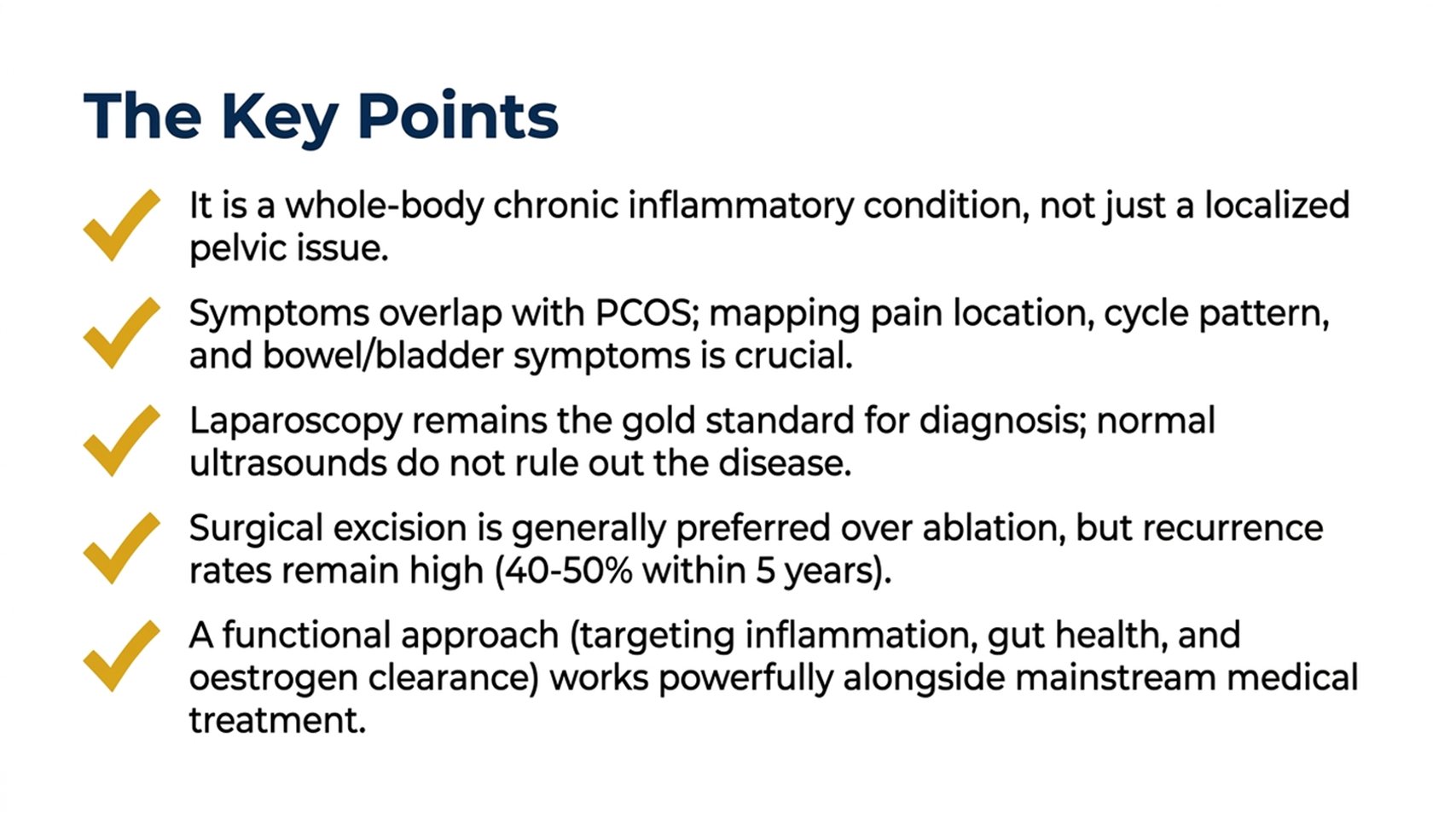
- Endometriosis is a chronic inflammatory condition affecting the whole body, not only the pelvis, and is generally staged from 1 to 4.
- Symptoms overlap with other conditions, including PCOS, so pain location, cycle pattern, and bowel or bladder symptoms all help build the clinical picture.
- Diagnosis relies on history, examination, and imaging, with laparoscopy as the gold standard. CA125 is not a recommended diagnostic test.
- Treatment ranges from simple pain relief through to hormonal therapy and surgery, with excision generally preferred over ablation where recurrence is a concern.
- Endometriosis affects fertility for some, but many individuals conceive naturally, and IVF is an effective option when needed.
- A functional approach targeting inflammation, oestrogen clearance, and gut health can work alongside mainstream treatment.
Why See The Same Doctor Every Time?
- Private specialist care, from one doctor, not a different face every visit
- Continuity that means less repeating your story, and a clearer long term plan
- Direct access when your symptoms change, without starting from scratch
What This Means For You
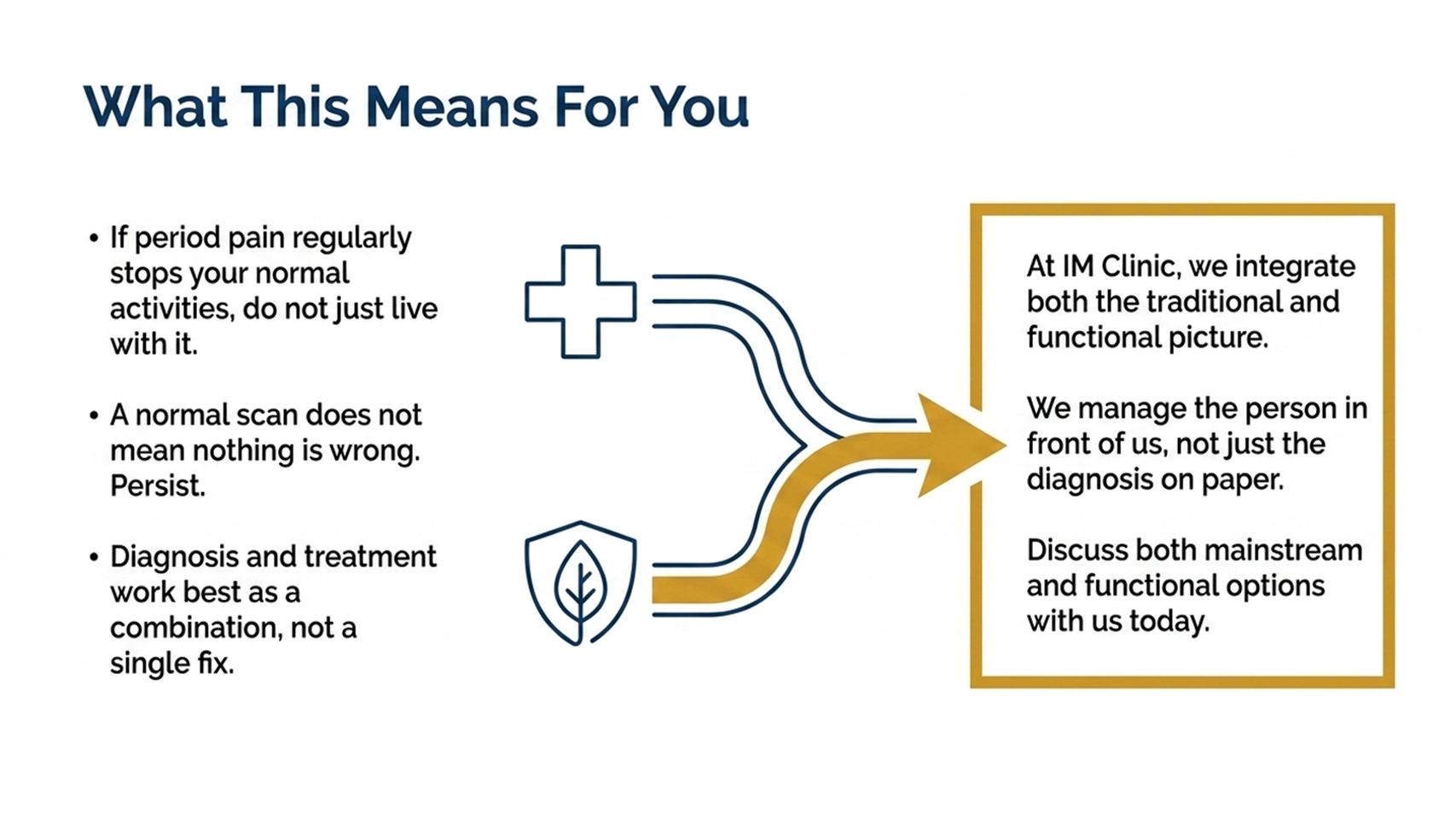
- If your period pain regularly stops you doing normal activities, this is not something to just live with.
- A normal scan does not mean nothing is wrong. Persistent symptoms are worth pursuing further.
- If you are trying to conceive, endometriosis is a factor to discuss early with your doctor, not a reason to assume the worst.
- Diagnosis and treatment usually work best as a combination, not a single fix. Discuss both mainstream and functional options with your doctor rather than choosing one in isolation.
- At IM Clinic, we look at both the traditional and functional picture together, so management fits the person in front of us, not just the diagnosis on paper.
Author: Dr Imran Mughal, Private Specialist GP
Website: www.imclinic.co.uk
Book a consultation: https://notes.thanksdoc.co.uk/book/clinic/im-clinic
References
1. NICE. Endometriosis: diagnosis and management. NICE guideline NG73. 2017, updated 2024. https://www.nice.org.uk/guidance/ng73
2. ESHRE Endometriosis Guideline Group. ESHRE guideline: endometriosis. Human Reproduction Open. 2022. https://pmc.ncbi.nlm.nih.gov/articles/PMC8951218/
3. Aromatase inhibitors for endometriosis associated infertility, do we have sufficient evidence? Review. https://pmc.ncbi.nlm.nih.gov/articles/PMC5023037/
4. Excisional surgery versus ablative surgery for ovarian endometrioma. Cochrane Review. https://pmc.ncbi.nlm.nih.gov/articles/PMC11590177/
5. Sargazi-Taghazi M, Ghaznavi H, Sheervalilou R, Razavi M, Sepidarkish M. Add-on effect of curcumin to dienogest in patients with endometriosis: a randomized, double blind, controlled trial. Phytomedicine. 2025;141:156715. https://doi.org/10.1016/j.phymed.2025.156715
6. Itoh H, Uchida M, Sashihara T, et al. Lactobacillus gasseri OLL2809 is effective especially on the menstrual pain and dysmenorrhea in endometriosis patients: randomized, double blind, placebo controlled study. Cytotechnology. 2011;63:153-161. https://doi.org/10.1007/s10616-010-9326-5
7. Obstetrical complications in women with endometriosis, a cohort study in Japan. https://www.ncbi.nlm.nih.gov/pmc/articles/PMC5179019/
8. Wang YX, Farland LV, Gaskins AJ, et al. Endometriosis and uterine fibroids and risk of premature mortality: prospective cohort study. BMJ. 2024;387:e078797. https://doi.org/10.1136/bmj-2023-078797
9. Kvaskoff M, Mahamat-Saleh Y, Farland LV, et al. Endometriosis and cancer: a systematic review and meta-analysis. Human Reproduction Update. 2021;27(2):393-420. https://doi.org/10.1093/humupd/dmaa045

We would love to hear your thoughts. A few things to keep in mind before you post: