


Fatty Liver Disease: Why It Often Has No Symptoms, Just Signs
In clinic, fatty liver disease rarely announces itself.
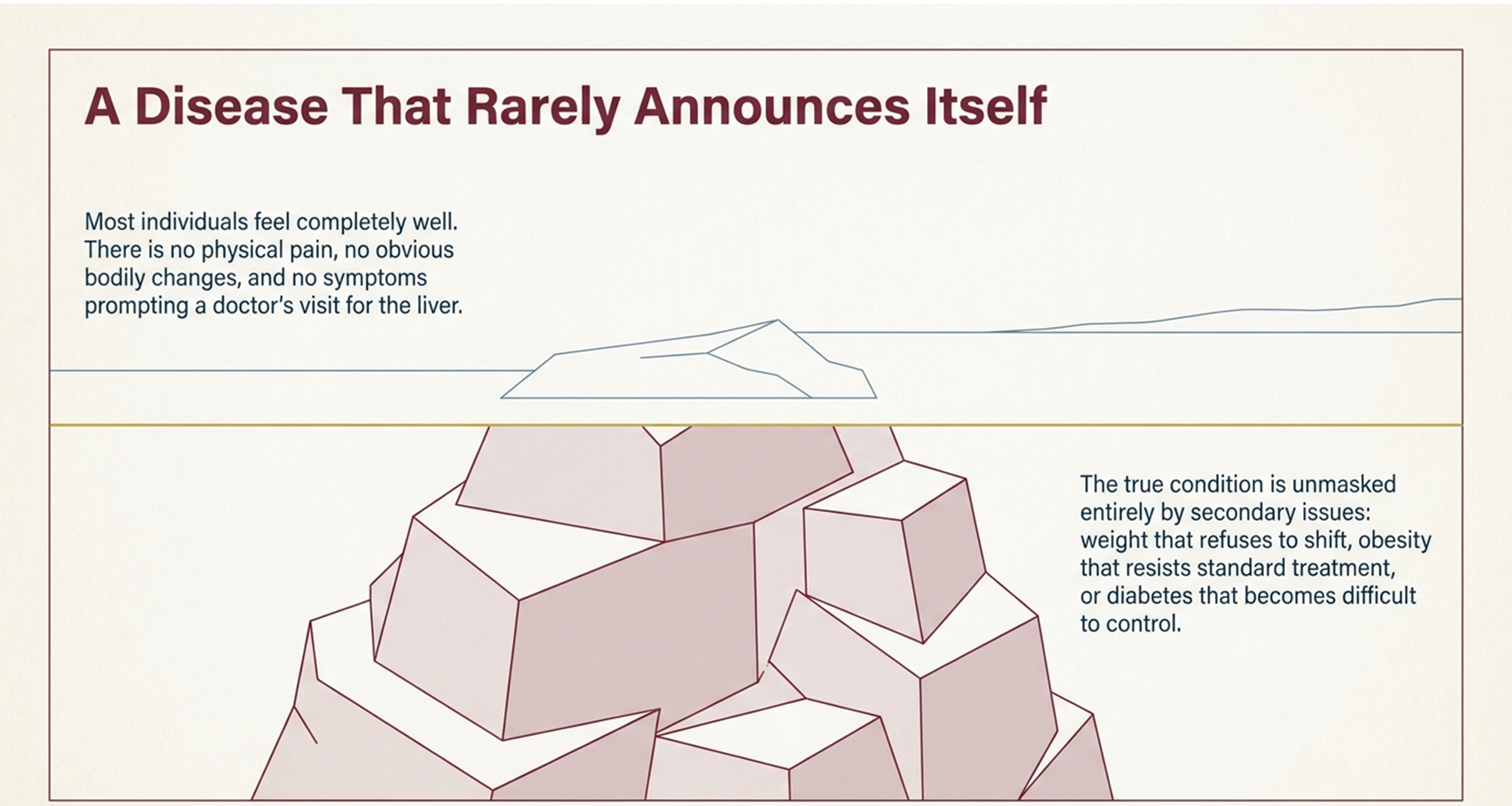
- Most individuals feel completely well.
- There is usually no pain, no obvious change, nothing that sends someone to the GP asking about their liver.
- What actually brings it to light is something else entirely: weight that will not shift, obesity that resists treatment, or diabetes that is proving hard to control.
- It is also far more common than most people realise. Around 1 in 4 adults worldwide are living with it, most without knowing.
What Is Actually Happening
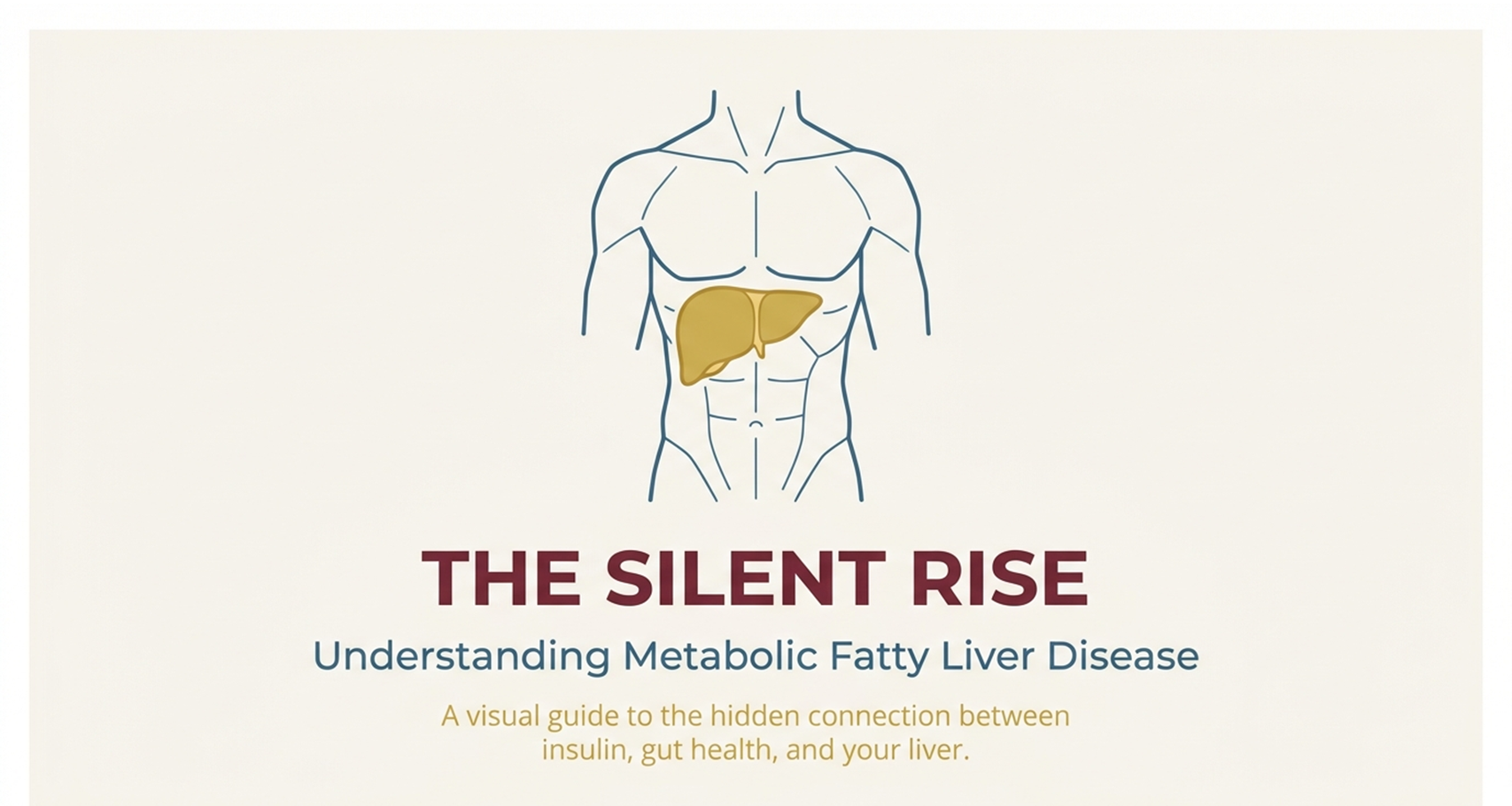
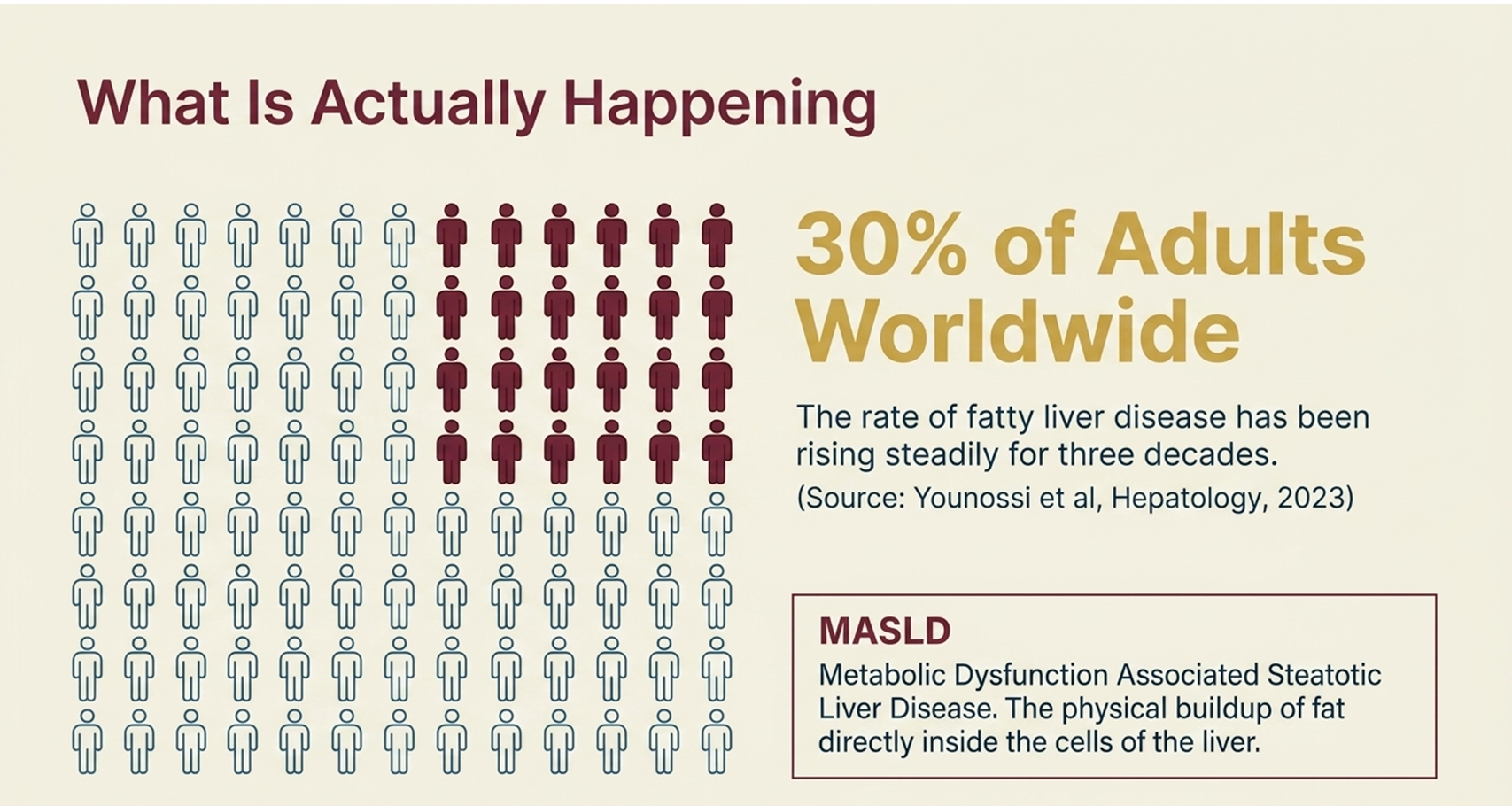
- Fatty liver disease, now called Metabolic Dysfunction Associated Steatotic Liver Disease (MASLD), is fat building up inside liver cells.
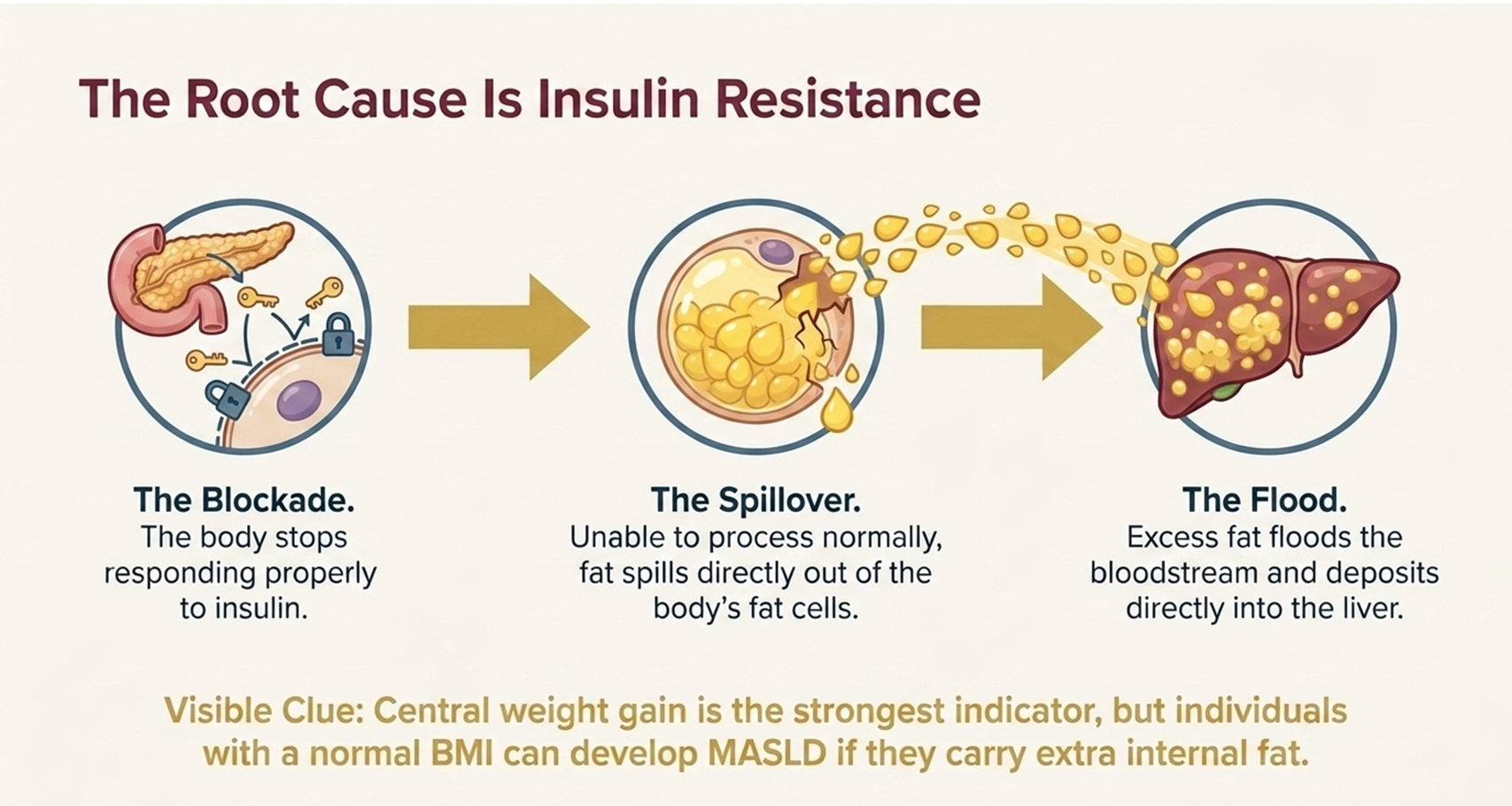
- The core driver is insulin resistance. When the body stops responding properly to insulin, fat spills out of fat cells and floods the liver with fatty acids.
- Central weight gain around the middle is the strongest visible clue, but even individuals with a normal BMI can develop it if they carry extra fat internally, sometimes called being “skinny fat”.
- Diet plays a direct role too. High intakes of refined carbohydrates, added sugar, and saturated fat give the liver more raw material than it can process, so it converts the excess straight into fat.
- A diet high in processed food can also make the gut lining more permeable, letting bacterial toxins reach the liver and add to inflammation, part of why fatty liver disease is increasingly seen even in individuals who drink little or no alcohol.
- Genetics can add to the risk, though for most people lifestyle remains the bigger factor.
How Common Is It
- Fatty liver disease is now the most common chronic liver condition in the world, affecting around 1 in 4 adults globally.
- Rates have been climbing steadily for three decades, tracking the same rise seen in obesity and type 2 diabetes.
- Most of this growth is happening quietly. Because there are usually no symptoms, the true numbers are likely higher still. This is the same pattern we see with prediabetes left untreated, where the condition progresses silently long before it is picked up.
The Diabetes Link
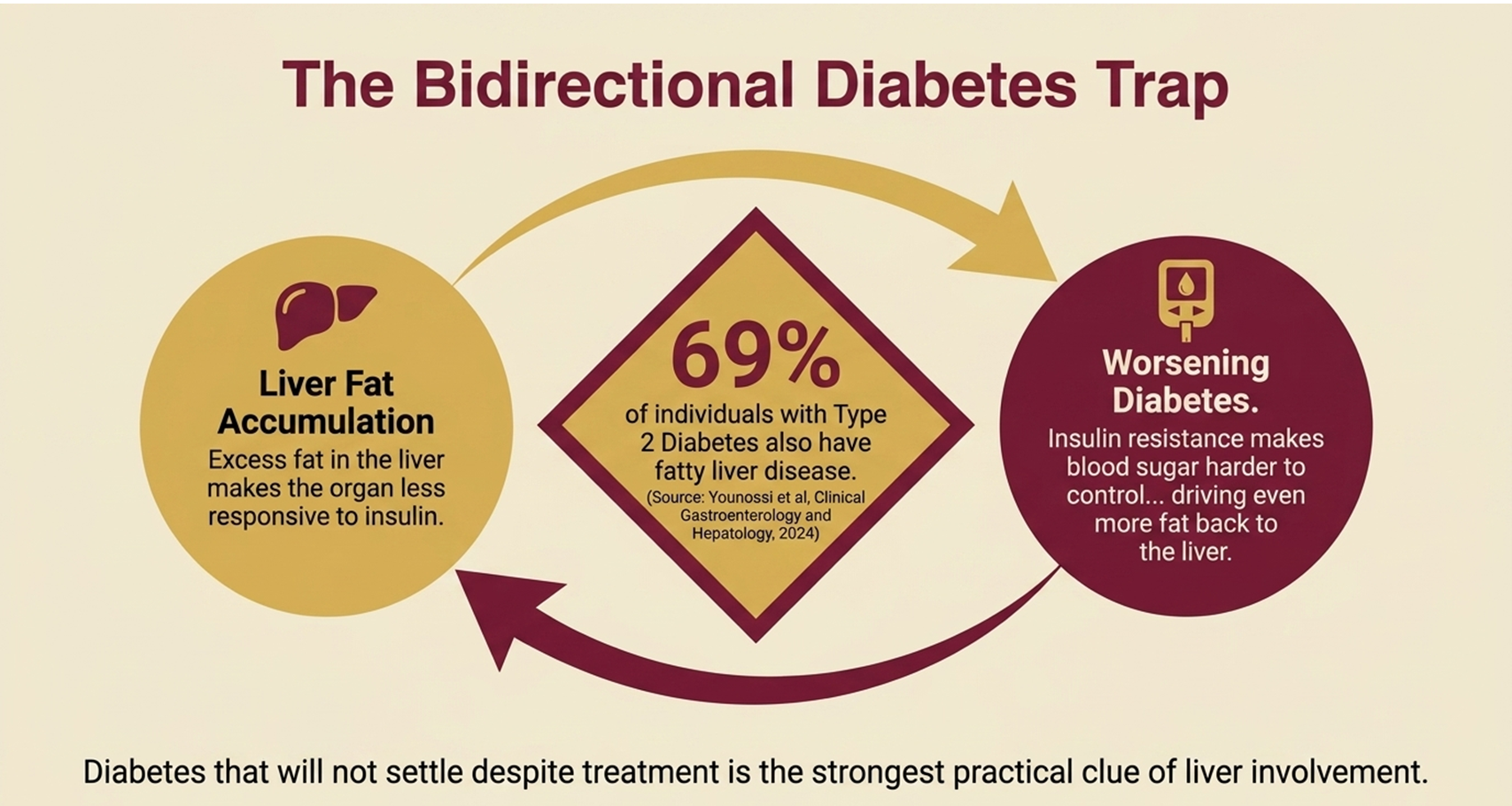
- Fatty liver disease and type 2 diabetes drive each other.
- Around 69% of individuals with type 2 diabetes also have fatty liver disease.
- A liver already carrying excess fat becomes even less responsive to insulin, which makes blood sugar harder to control.
- This is why diabetes that will not settle despite treatment is one of the strongest practical clues that the liver is involved.
Continuity of Care With One GP
- See the same GP every time. No repeating your history to someone new at every appointment.
- Book when it suits you. Flexible appointments that fit around work, not the other way round.
- One doctor who knows your full picture. Weight, blood sugar, and liver health tracked together, not treated as separate problems.
Signs, Not Symptoms
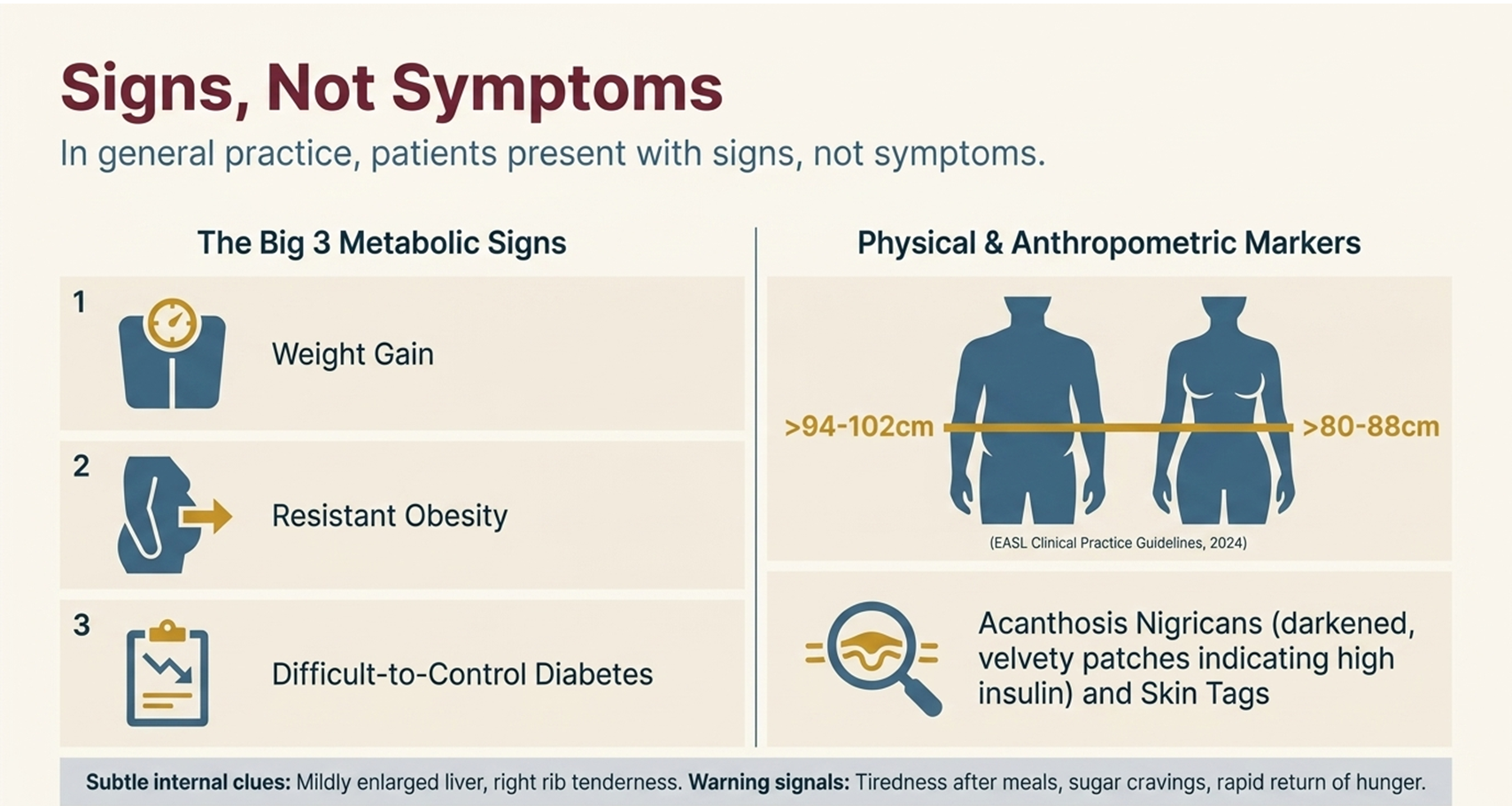
- In general practice, the pattern is consistent: signs, not symptoms.
- The three most common signs seen are weight gain, obesity that resists usual treatment, and diabetes that is difficult to control.
- On examination, some individuals have a mildly enlarged liver, or a little tenderness under the right rib cage.
- Skin changes can be a red flag too. Darkened, velvety patches at the neck or in body folds, called acanthosis nigricans, reflect high circulating insulin. Skin tags often go alongside this.
- Waist size matters more than weight alone. A waist above roughly 94 to 102cm in men, or 80 to 88cm in women, is a recognised marker of the visceral fat linked to fatty liver disease.
- Some individuals notice non specific things like tiredness after meals, sugar cravings, or feeling hungry again soon after eating, linked to the same underlying insulin problem.
How the Disease Can Progress
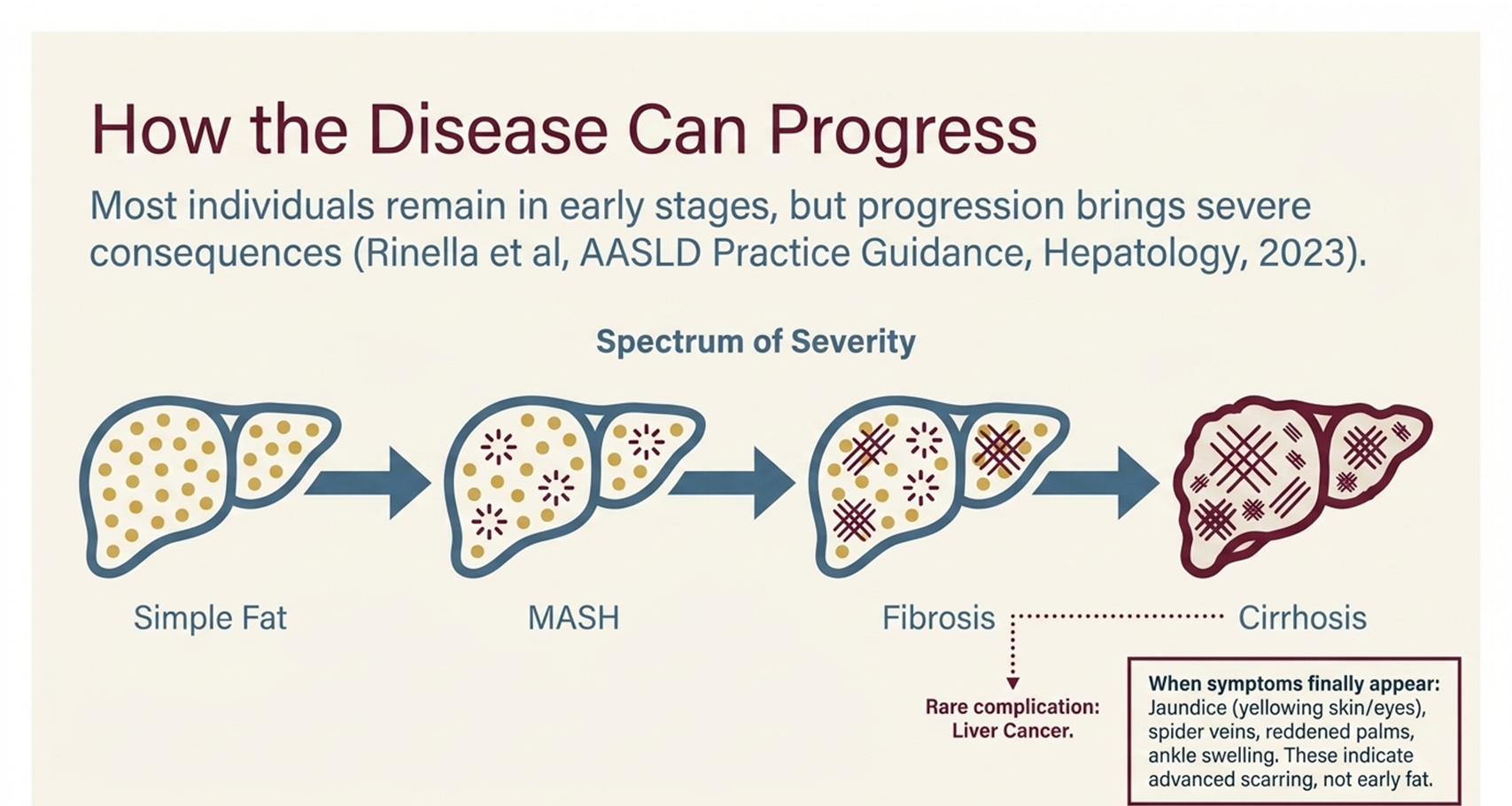
- Fatty liver disease sits on a spectrum, and most individuals never move far along it, but it helps to understand the stages.
- Simple fat build up on its own is the first stage, with no significant inflammation.
- The next stage adds inflammation and liver cell injury, now called MASH.
- Ongoing inflammation can lead to scar tissue, known as fibrosis, which is staged from mild to severe.
- Severe scarring is cirrhosis, where the liver’s function starts to be affected.
- In a small number of individuals, long standing cirrhosis can eventually lead to liver cancer.
- If it does progress this far, the signs change too. Yellowing of the skin or eyes, small spider like blood vessels on the skin, reddened palms, and ankle swelling can all appear. These are signs of advanced disease, not early fatty liver.
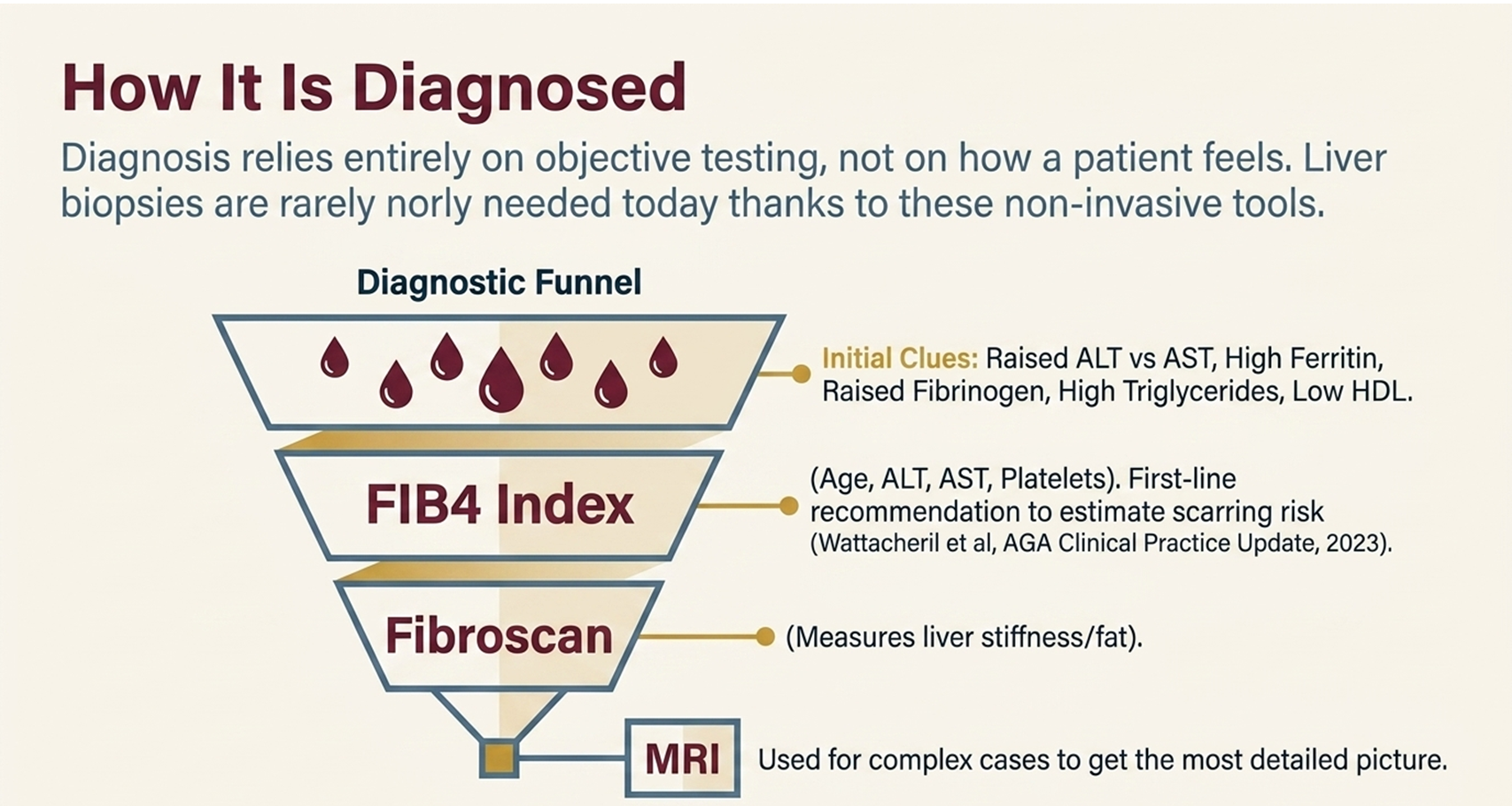
How It Is Diagnosed
- Because symptoms are usually absent, diagnosis relies on blood tests and imaging rather than how someone feels.
- Simple blood clues include a raised ALT compared to AST, a high ferritin, and raised fibrinogen, alongside high triglycerides and low HDL cholesterol.
- Current endocrinology and primary care guidance recommends actively screening individuals with type 2 diabetes for fatty liver disease, rather than waiting for symptoms, given how common it is in this group.
- The first step is usually a calculation called the FIB4 Index, which uses age, ALT, AST, and platelet count to estimate the risk of scarring.
- If FIB4 suggests further assessment is needed, a scan called Fibroscan measures how stiff the liver is, which reflects scarring, and how much fat is present.
- MRI based scans are used in more complex or uncertain cases, and give the most detailed picture of fat and fibrosis.
- A liver biopsy is rarely needed now that these non invasive tests are available.
Why It Matters Beyond the Liver
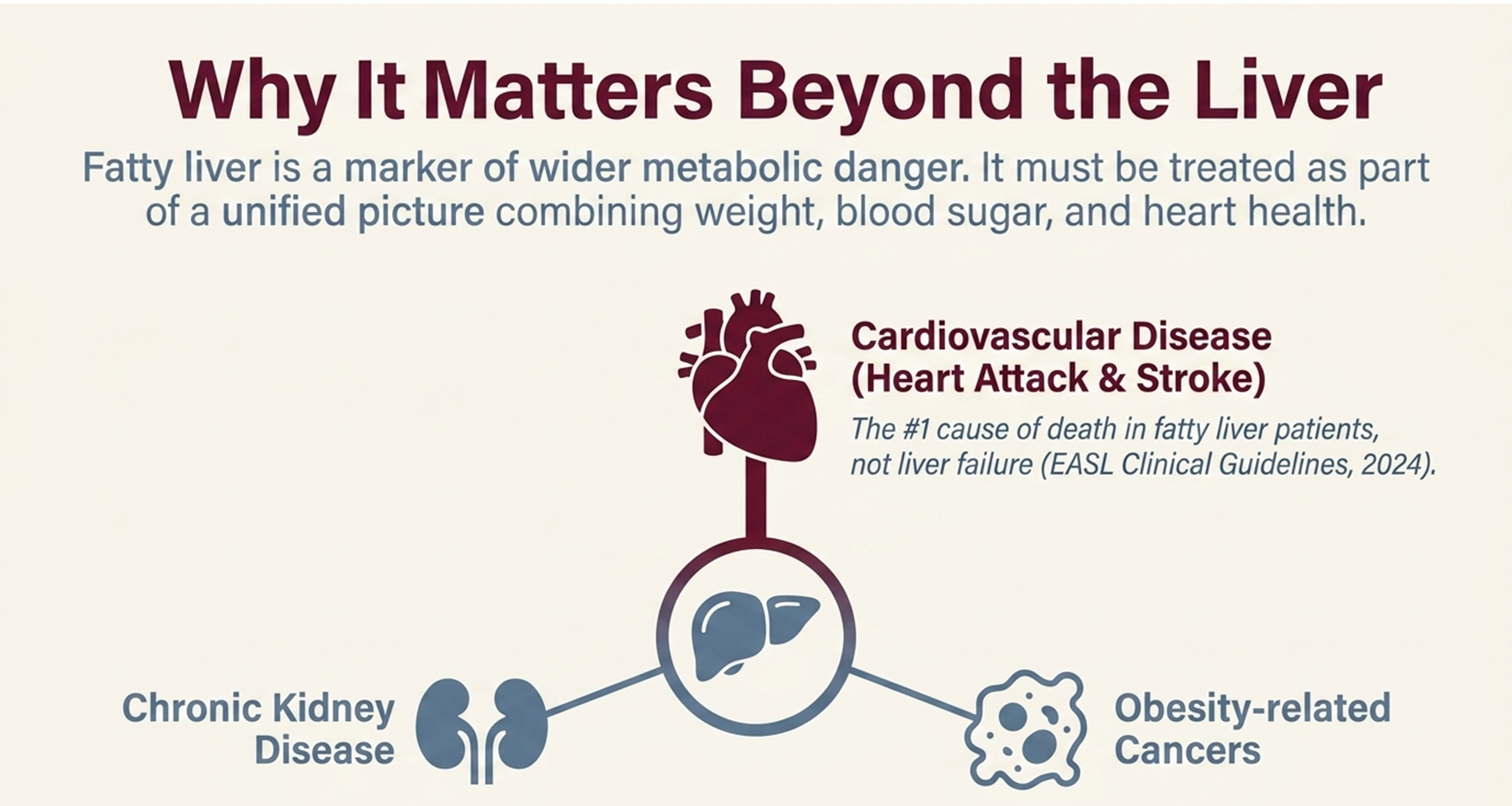
- Fatty liver disease is not just a liver problem, it is a marker of wider metabolic risk.
- The leading cause of death in individuals with fatty liver disease is cardiovascular disease, heart attack and stroke, not liver failure.
- It is also linked to a higher risk of chronic kidney disease, and to certain obesity related cancers.
- This is why fatty liver disease is best thought of as part of the same picture as weight, blood sugar, and heart health, rather than a separate issue.
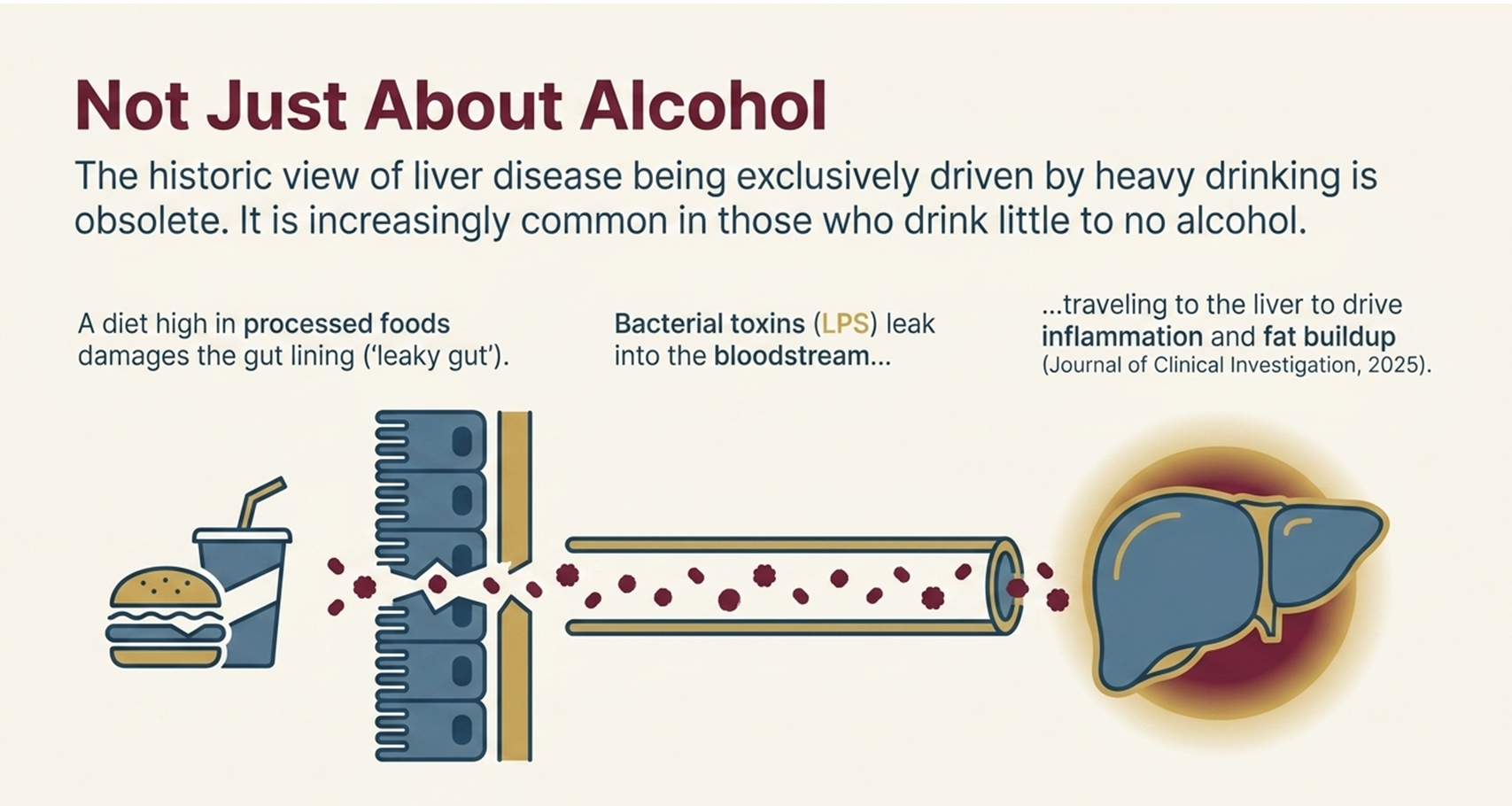
Not Just About Alcohol
- Fatty liver disease was historically seen as a problem for people who drink heavily.
- That picture is now out of date.
- A growing body of evidence points to the gut as another route in. A diet high in processed food can make the gut lining more permeable, letting bacterial toxins leak into the bloodstream and reach the liver, adding to inflammation and fat buildup.
- This means fatty liver disease is increasingly common even in individuals who drink little or no alcohol at all.
The Key Points
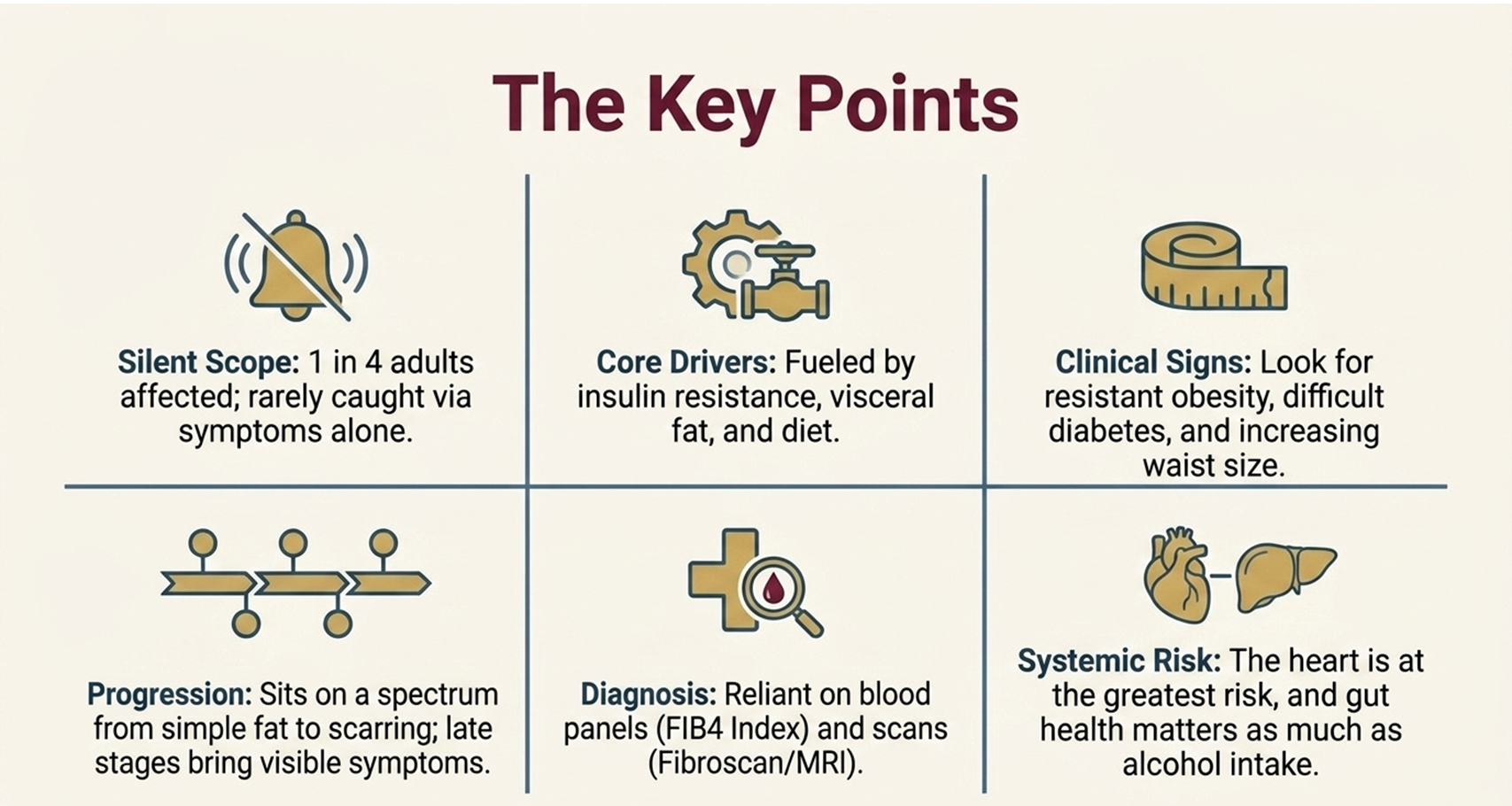
- Fatty liver disease is usually silent, affects around 1 in 4 adults worldwide, and is rarely picked up from symptoms alone.
- Insulin resistance, visceral fat, and diet are the main drivers, with genetics playing a smaller part.
- The main signs seen in general practice are weight gain, resistant obesity, and difficult to control diabetes, alongside skin changes and waist size.
- It sits on a spectrum from simple fat build up through to scarring and, rarely, cirrhosis, and the signs change as it progresses.
- Diagnosis relies on blood tests such as the FIB4 Index, followed by a Fibroscan or MRI if needed, not on how someone feels.
- The biggest risk from fatty liver disease is to the heart, not just the liver.
- Fatty liver disease and type 2 diabetes worsen each other, so both need addressing together, and gut health and diet matter more than alcohol alone.
Continuity of Care With One GP
- See the same GP every time. No repeating your history to someone new at every appointment.
- Book when it suits you. Flexible appointments that fit around work, not the other way round.
- One doctor who knows your full picture. Weight, blood sugar, and liver health tracked together, not treated as separate problems.
What This Means For You
- If your weight will not shift, or your diabetes control has plateaued despite treatment, it is worth asking your GP about your liver.
- A simple blood test, and if needed a Fibroscan, can check for fatty liver disease and how advanced it is.
- The earlier it is picked up, the more can be done, and much of it is reversible with the right support.
- At IM Clinic, we look at weight, blood sugar, and liver health together, because in most individuals they are the same underlying problem.
Author: Dr Imran Mughal, Private Specialist GP
Website: www.imclinic.co.uk
Book a consultation: Book a consultation
References
Younossi ZM, Golabi P, Paik JM, et al. The global epidemiology of nonalcoholic fatty liver disease (NAFLD) and nonalcoholic steatohepatitis (NASH): a systematic review. Hepatology. 2023.
Younossi ZM, Golabi P, Price JK, et al. The global epidemiology of nonalcoholic fatty liver disease and nonalcoholic steatohepatitis among patients with type 2 diabetes. Clinical Gastroenterology and Hepatology. 2024.
Rendon A, et al. Acanthosis nigricans as a marker of insulin resistance. International Journal of Research in Dermatology.
Metabolic dysfunction associated steatotic liver disease and the gut microbiome: pathogenic insights and therapeutic innovations. Journal of Clinical Investigation. 2025.
Rinella ME, Neuschwander-Tetri BA, Siddiqui MS, et al. AASLD Practice Guidance on the clinical assessment and management of nonalcoholic fatty liver disease. Hepatology. 2023;77(5):1797-1835.
Wattacheril JJ, Abdelmalek MF, Lim JK, Sanyal AJ. AGA Clinical Practice Update on the Role of Noninvasive Biomarkers in the Evaluation and Management of Nonalcoholic Fatty Liver Disease: Expert Review. Gastroenterology. 2023;165(4):1080-1088.
Tacke F, Horn P, Wai-Sun Wong V, et al. EASL, EASD, EASO Clinical Practice Guidelines on the management of metabolic dysfunction associated steatotic liver disease (MASLD). Journal of Hepatology. 2024;81(3):492-542.
Cusi K, Isaacs S, Barb D, et al. American Association of Clinical Endocrinology Clinical Practice Guideline for the Diagnosis and Management of Nonalcoholic Fatty Liver Disease in Primary Care and Endocrinology Clinical Settings: Co-Sponsored by the American Association for the Study of Liver Diseases (AASLD). Endocrine Practice. 2022;28:528-562.



We would love to hear your thoughts. A few things to keep in mind before you post: